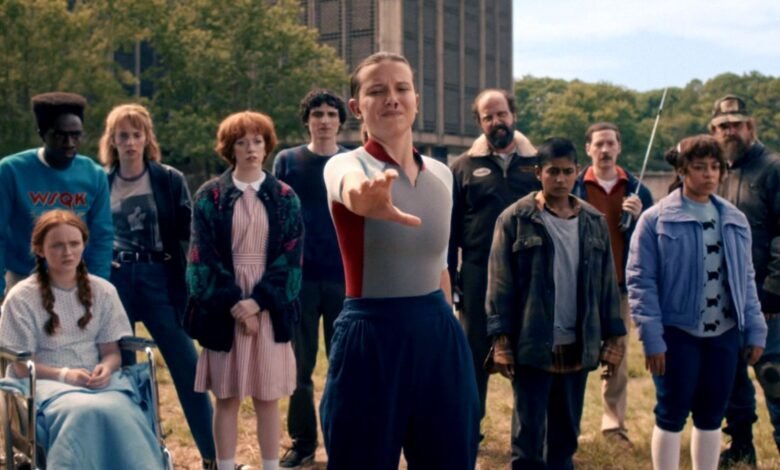
The Stranger Things finale season swung for the fences: huge goodbyes, big horror set pieces, and an epilogue that tries to let everyone exhale after years of Hawkins chaos.
And honestly? It landed a lot of emotional beats.
But once the credits roll, the brain does what the brain always does with a show this dense: it starts replaying details. Side characters who vanish. Injuries that heal at warp speed. Government cover-ups that feel… extremely optimistic. And a few lore choices that raise eyebrows if you’ve been paying attention (or if you’ve seen the stage play and now you’re side-eyeing a certain briefcase).
So here are the biggest lingering questions the Stranger Things series finale left behind — the ones fans are still debating, theorizing, and yelling about in group chats.
What happened to Vickie — and are she and Robin still together?
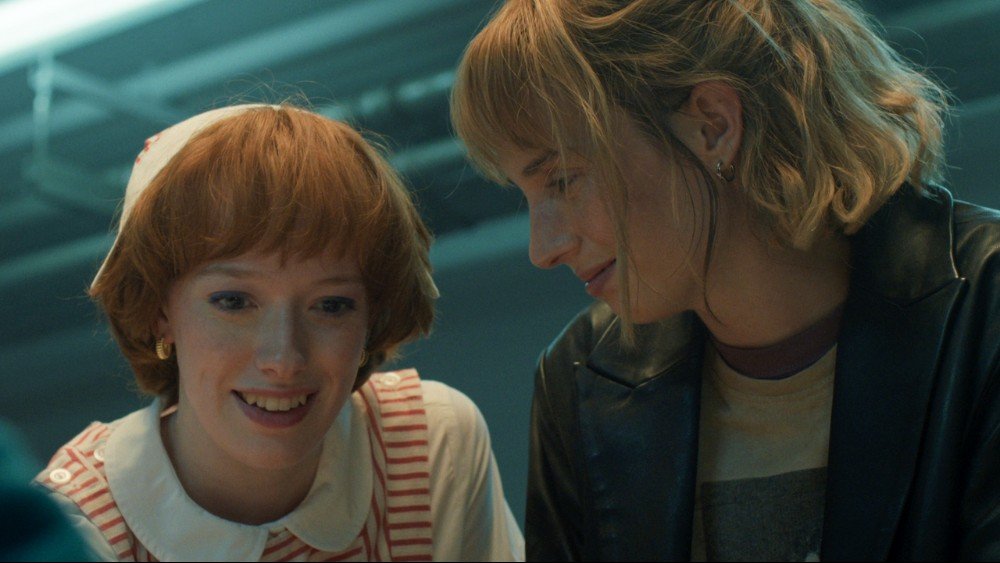
The finale doesn’t give Vickie a clean “here’s where she ends up” moment, and that absence feels louder because Robin’s arc is so front-and-center.
The epilogue strongly implies a shift in Robin’s romantic situation (including that pointed “overbearing significant others” remark), but it never confirms whether Robin and Vickie broke up, took space, or are simply off-screen for pacing reasons.
It’s the kind of ambiguity that reads either realistic… or weirdly unfinished, depending on how invested you were.
Where is Max’s mom?
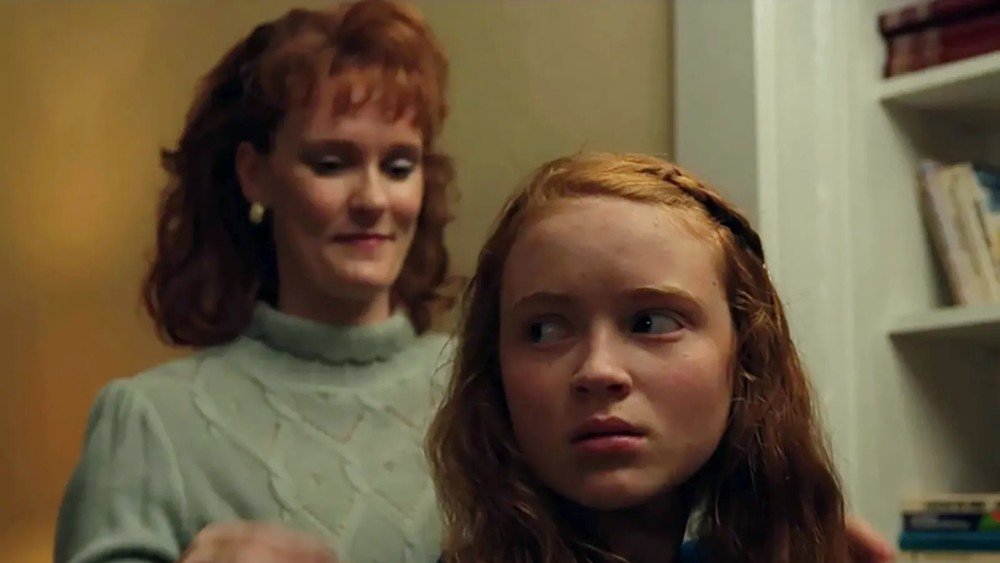
Max goes through the most brutal, life-altering stretch of the entire story — and yet her mom is strangely absent when you’d expect her presence to matter most.
Even if the show wants to keep the focus on the Party, it’s hard not to notice how the adults rotate in and out, while the one adult who should be stapled to Max’s side is basically a ghost.
A single line could have solved it (hospital exhaustion, relocation, military quarantine, anything), but the silence makes it feel like a missing puzzle piece.
How does Max go from basically brain-dead to normal?
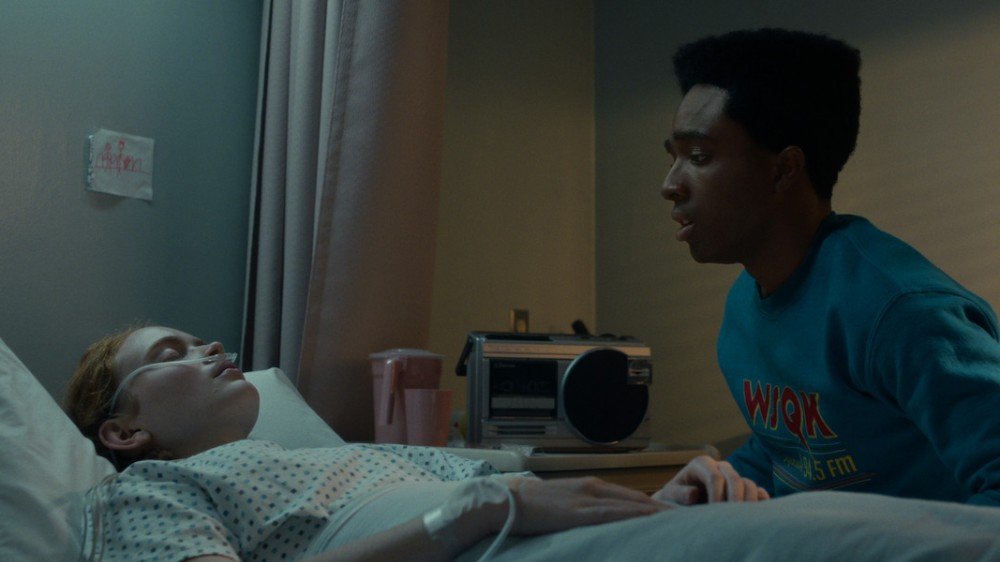
Max’s season 4 injuries are framed as catastrophic, and her waking up was one of the most heartfelt moments of the season 5 — but the completeness of her recovery in the series finale can feel like the story is undoing its own stakes.
We left her during the battle in a wheelchair and unable to move her hands or legs, and then 18 months later, she’s skating down ramps?
If the answer is “psychic healing” or “something left behind in her mind,” that’s fascinating! But the show doesn’t spell it out, so it risks reading like a miracle reversal rather than a consequence-driven arc.
How does Max graduate after being in a coma for so long?
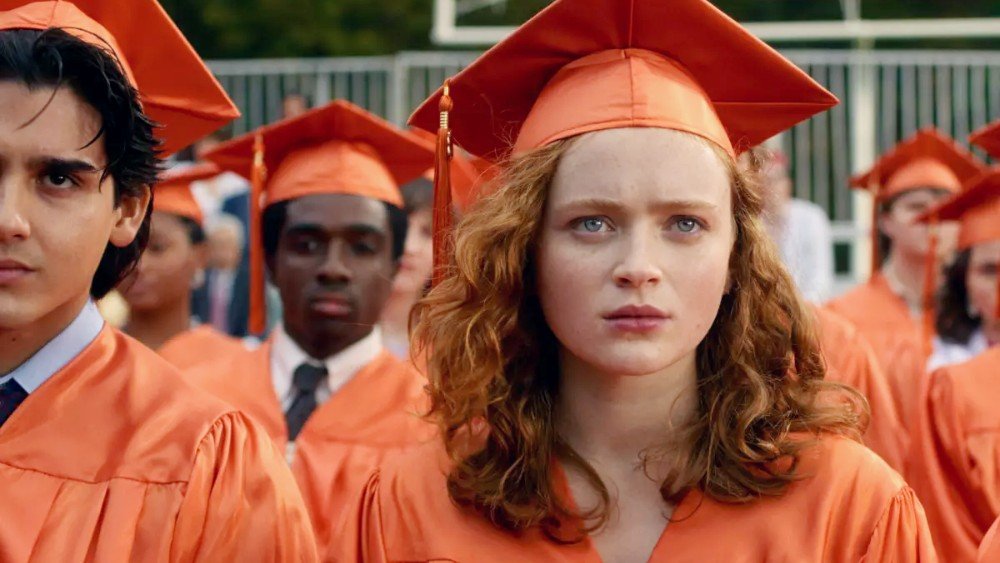
The epilogue time jump helps, but it still raises the practical question: how does someone miss that much school and graduate on schedule with everyone else?
You can headcanon summer school, special accommodations, tutoring, or an altered credit plan… but the finale never says it.
And because graduation is presented as a “we made it” milestone, Max being there feels emotionally right — even if the logistics are doing backflips in the background.
Why doesn’t anyone connect Henry Creel to Vecna sooner?
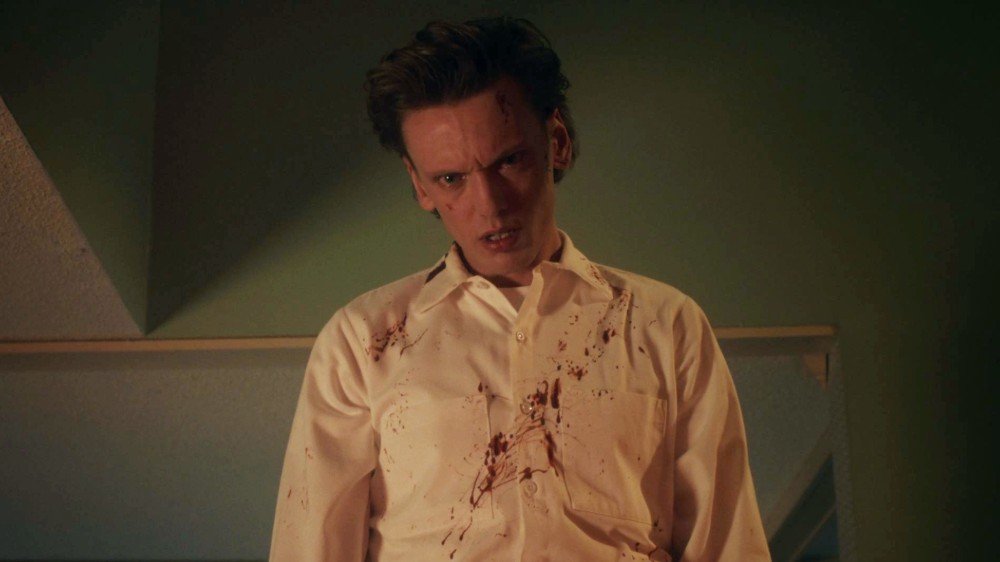
The finale leans into how long Hawkins has been living with hidden truths… but it still feels wild that Joyce and Hopper have direct ties to Henry’s early life and don’t openly acknowledge, “Wait. That’s him.”
If you went to school with a kid who later became your town’s nightmare demon, you’d think that recognition would hit like a truck.
Instead, the story keeps it mostly compartmentalized, even when the connections are practically begging for a confrontation scene.
Why doesn’t the Henry-memory connection spark a real conversation with Joyce?
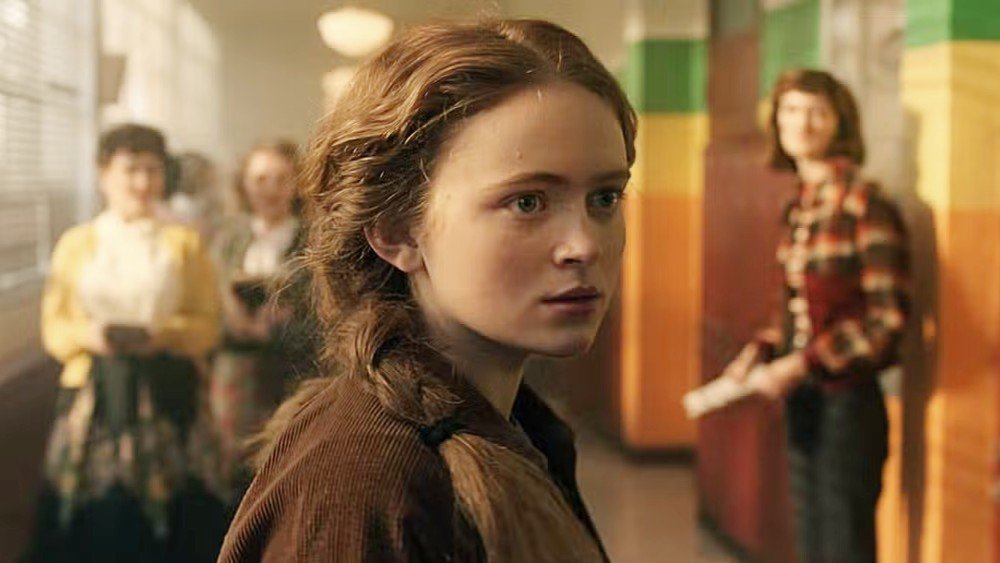
Max sees young Joyce (and Hopper, and the Wheelers for that matter) in Henry’s memories — which is the kind of information that should immediately become a “sit down, we need to talk” moment.
But the show never cashes that in.
It’s not even about blame; it’s about clarity. Joyce is one of the smartest, most instinct-driven characters in the series, and she’d absolutely want to know what Max saw, what it means, and what it reveals about how far back this horror really goes.
What happens to Dr. Kay (and to her Upside Down victims)?
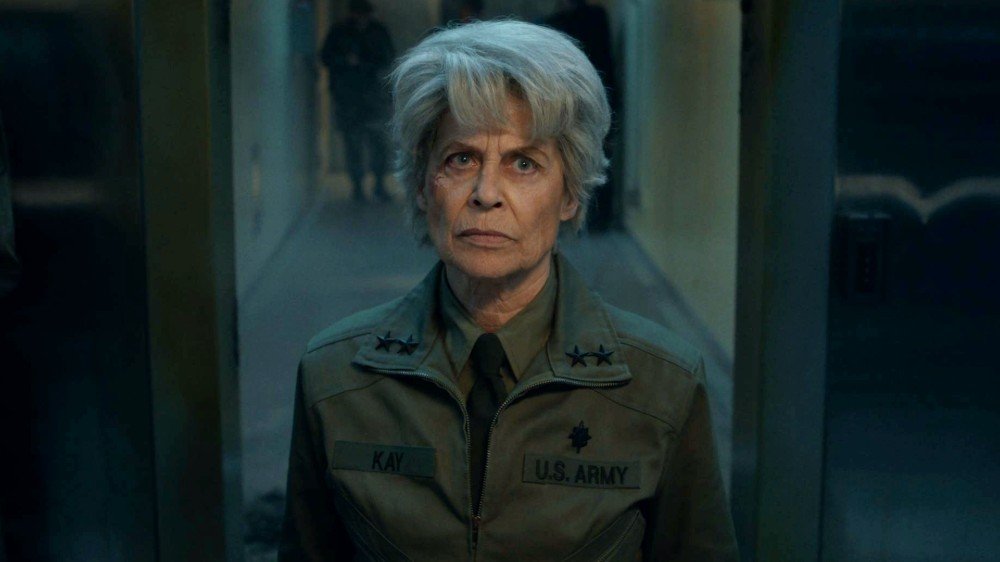
The finale positions Dr. Kay as a terrifying reminder that the human villains never stop coming — because governments love a supernatural weapon program.
But after the final confrontation, the fallout around her project is foggy: is she dead, arrested, reassigned, promoted in the shadows?
And if she’s running horrific experiments (including vulnerable captives in the Upside Down), the moral cost of that doesn’t get a definitive on-screen reckoning.
What happens to the Turnbows after the pie plan goes sideways?
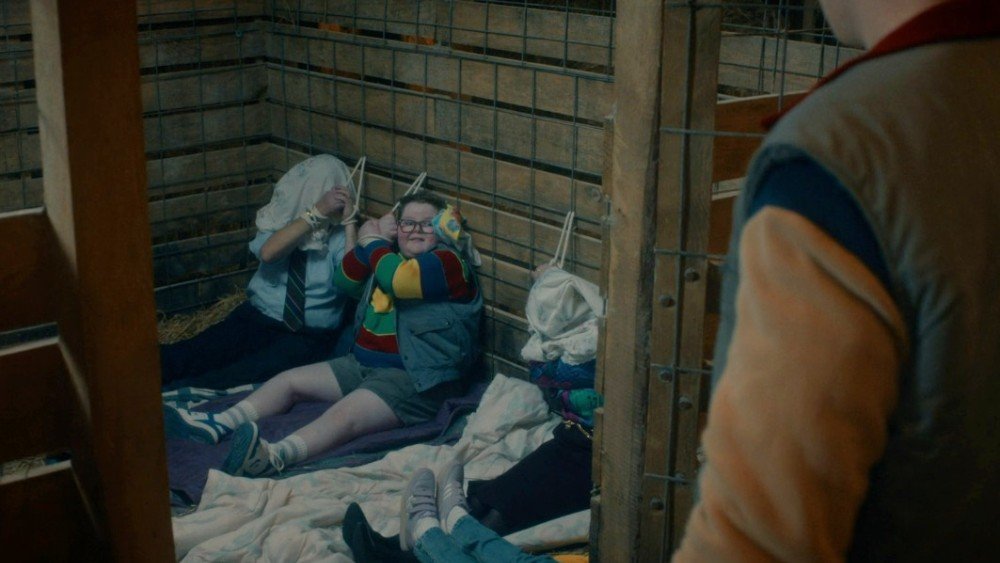
The Turnbows feel like one of those “we pulled civilians into the blast radius” story beats that should have consequences.
If they survive, do they call the police? Do they disappear because the military clamps down? If they don’t survive, why doesn’t the story acknowledge it?
When a plan involves drugging someone with pie (a sentence that should not exist in any universe), you kind of want closure on whether anyone woke up, remembered anything, or immediately started screaming.
Why is there no scar from Henry’s childhood gunshot wound?
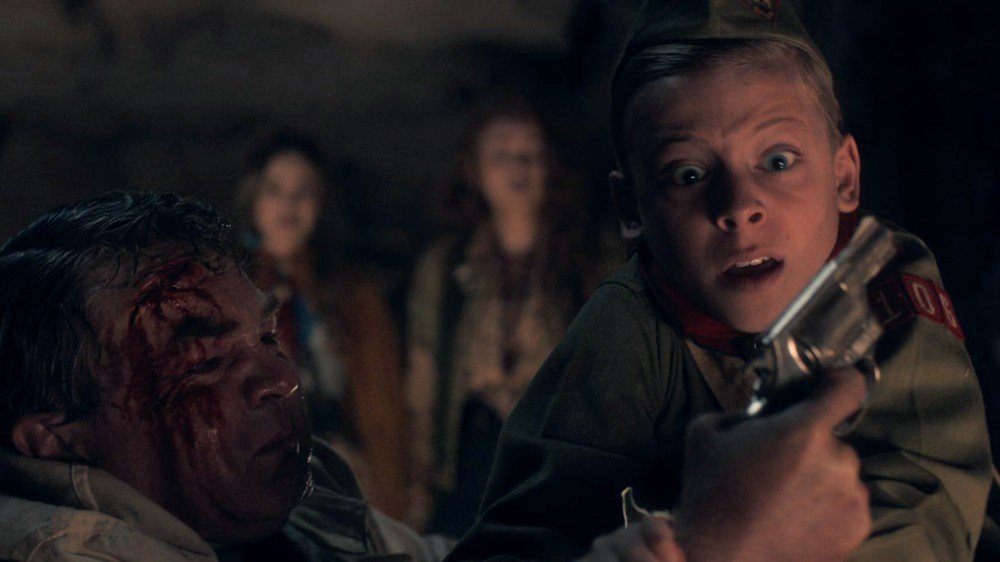
If Henry takes a bullet as a child, you expect at least some physical trace later — a scar, a deformity, anything. Instead, the show treats it like a detail that matters emotionally in the moment and then evaporates visually.
Maybe the implication is supernatural healing, altered biology, or simply “don’t think about it.” But with a series that loves bodily horror and transformation, the absence feels like a missed opportunity to make Henry’s past literally visible.
Why does nobody face consequences for killing so many soldiers?
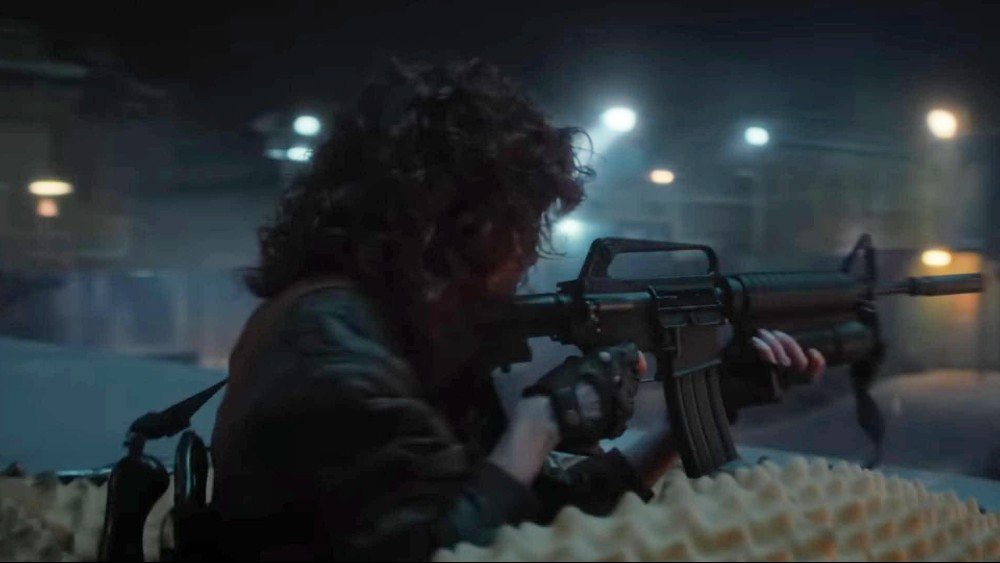
Between Nancy and Hopper (and others), the body count gets complicated fast. Yet the epilogue doesn’t show arrests, hearings, charges, or even the threat of legal blowback.
Maybe the military wants to bury the whole operation. Maybe everyone gets quietly absolved because “national security.”
But if the government can quarantine a town, it can also absolutely slap handcuffs on people. The lack of fallout reads like a convenience the story wants you to ignore.
Why are there no Demogorgons or Demodogs in the final battle?
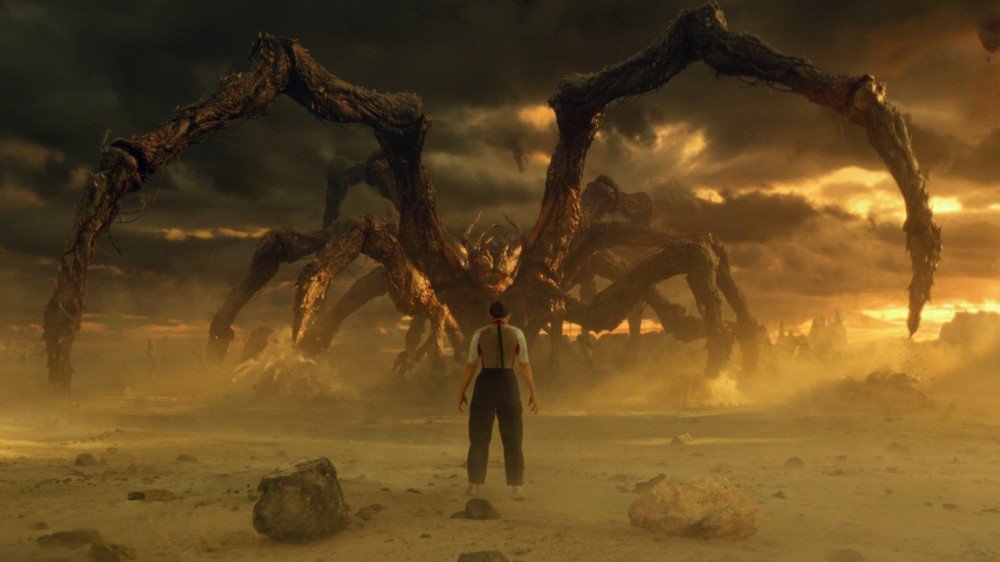
After years of “the monsters are the army,” the finale’s big showdown feels strangely light on the creatures you’d expect to swarm a final assault.
The creators have offered an explanation for why those threats aren’t present in the climactic sequence (Vecna was not expecting the attack and decided to take care of it himself), but inside the story, it still feels like a strategic question: if Vecna has access to that kind of force, why wouldn’t he throw everything at the group in the endgame?
Why do the contents of the cave briefcase change between the play and the show?
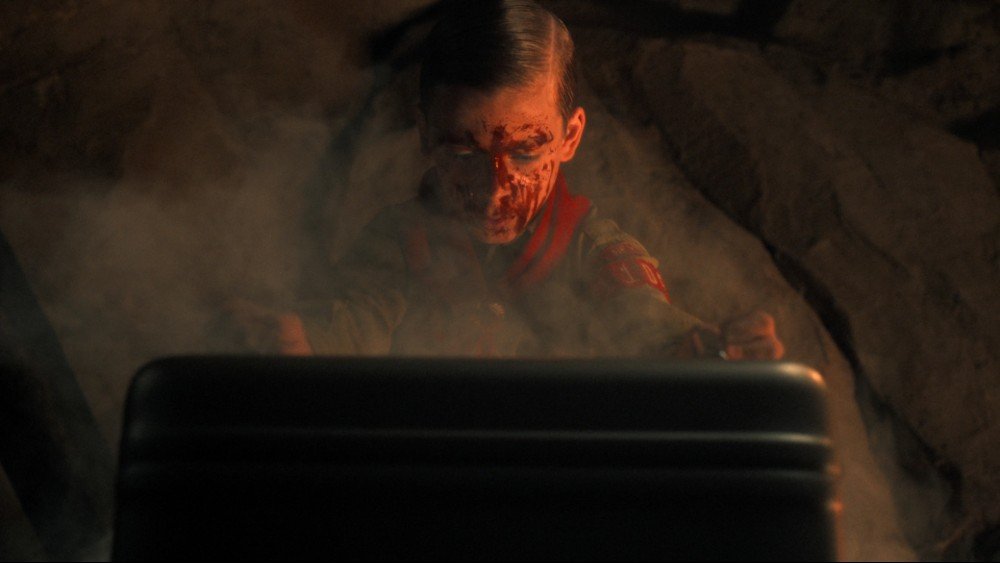
The briefcase becomes a lore lightning rod because the stage play frames it one way, and the show pivots to something that looks and behaves differently.
If the franchise treats the play as canon backstory, the shift invites confusion: is it a retcon, a reinterpretation, or are we seeing different layers of the same object?
Either way, it’s a rare moment where the expanded universe and the main series don’t feel perfectly in sync.
How does Hopper become the police chief again after being presumed dead?
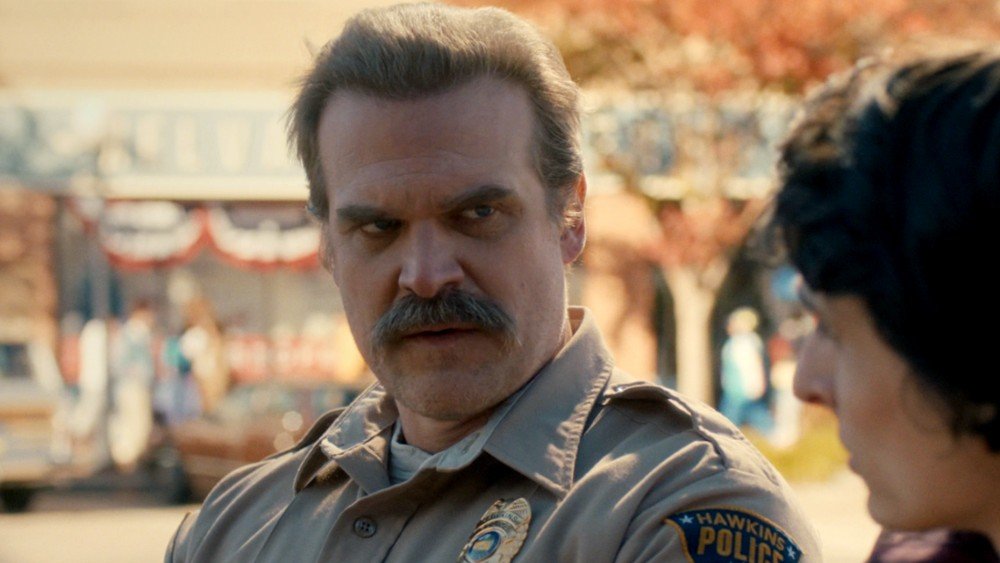
Hopper’s return is emotionally satisfying, but professionally? He’s missing for ages, reappears after international chaos, and then slides back into the badge like it’s a seasonal jacket.
Even if Hawkins is desperate for stability, reinstating a presumed-dead chief is still a bureaucratic circus. The finale skips the paperwork (understandably!), but that doesn’t stop you from wondering how the town, the state, and the feds don’t turn his comeback into a months-long legal grind.
And who is offering Hopper anything while Hawkins is still a smoldering headline? Is it a government deal? A favor? A cover story relocation program?
How does Lucas recover so fast after his brutal injuries?
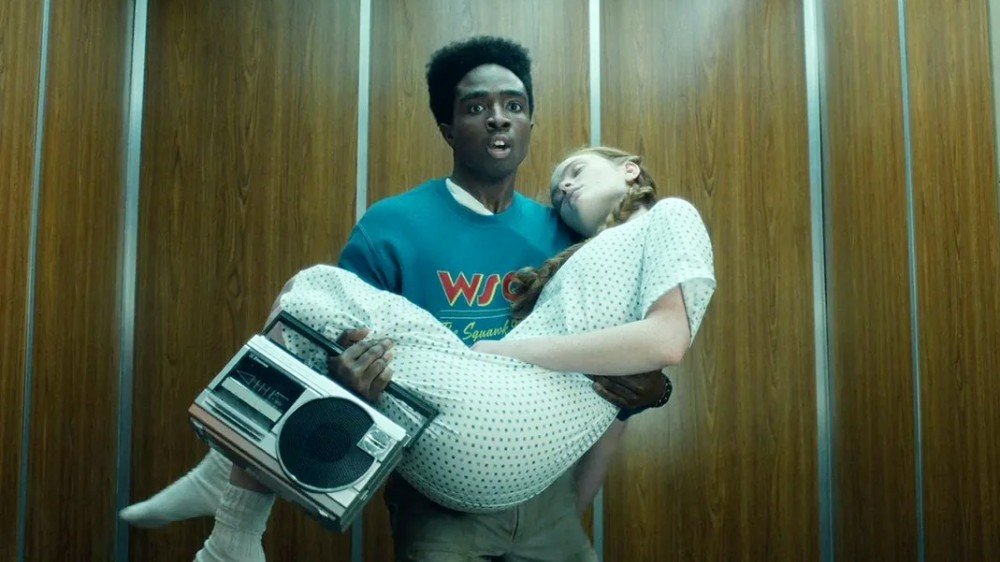
Lucas takes damage that should have him moving like a 90-year-old man with a vendetta against stairs — and then, next day, he’s physically hauling Max around like adrenaline is a miracle cure.
Maybe the show wants to emphasize urgency and love-over-pain determination.
But when injuries are treated as serious for one character and optional for another, it sticks out, especially in a finale where the stakes are supposed to feel real.
What happens to Will’s hive-mind link once Vecna is destroyed?
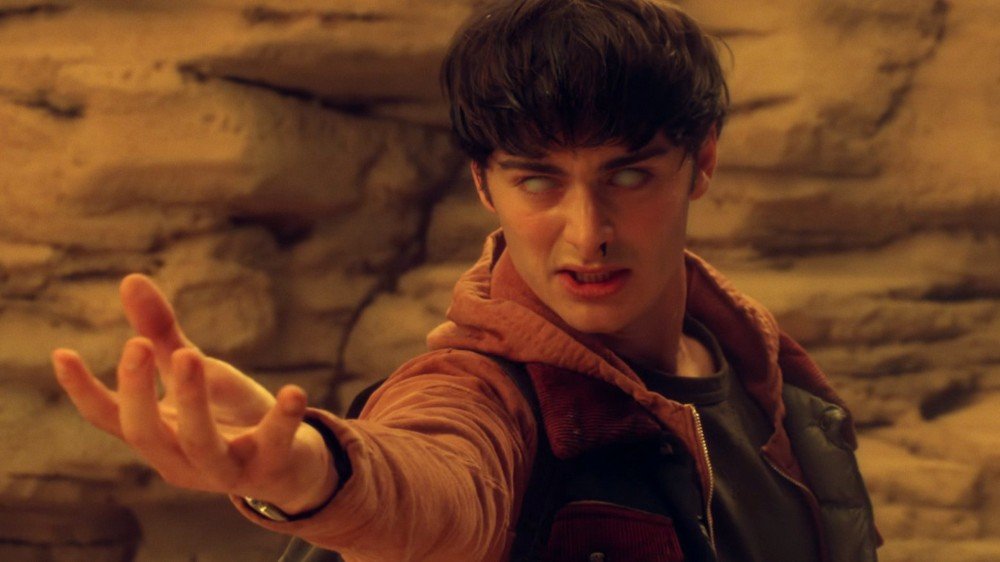
Will’s connection has always been a narrative “alarm system,” and the finale leans on that history — but once Vecna falls, Will seems… fine.
No lingering static. No phantom pain. No aftershock.
If Will is physically wired into something that old and invasive, you’d expect either a permanent scar on his psyche or at least a detox period.
The clean break feels emotionally kind, but lore-wise, it’s surprisingly neat.
Are Dustin and Suzie still dating?

They never officially break up, but the finale also doesn’t show them together or even talk about where things stand.
Long-distance teen relationships can absolutely fade out without a dramatic split — which is realistic — but Stranger Things usually gives its major relationships a button.
Even a quick “we’re still emailing” or “we grew apart” line would have grounded it. Instead, it’s left as a dangling thread for fans to argue over.
Where is Argyle?
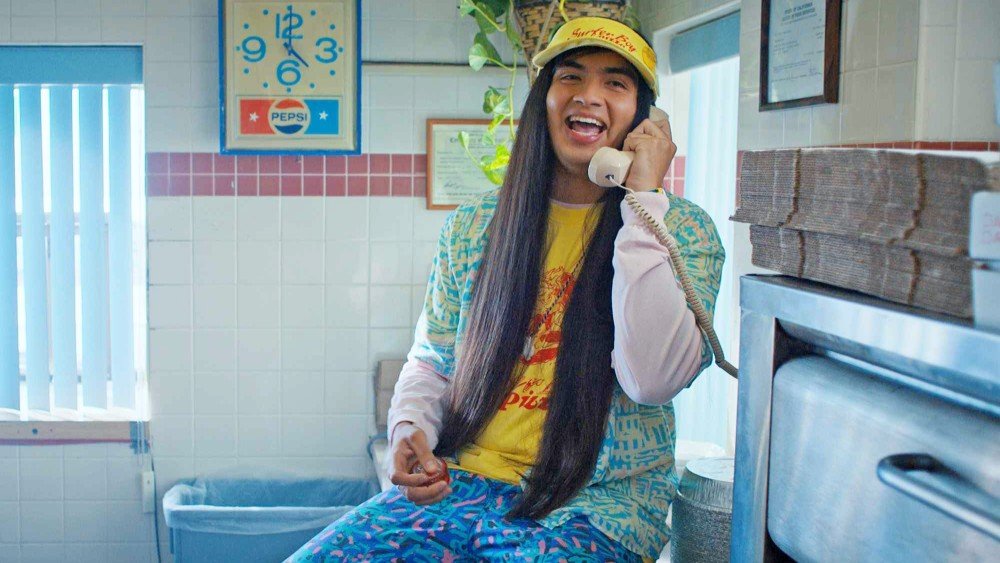
Argyle is a fan-favorite presence in the California storyline, and his absence in the endgame is noticeable — especially because the show loves bringing back emotional support weirdos right when you need them most.
The simplest explanation is geography and focus: he’s not from Hawkins, and the finale is crowded.
Still, even a cameo mention (“he’s safe in California”) would have closed the loop without derailing anything.
Where is Dr. Owens?
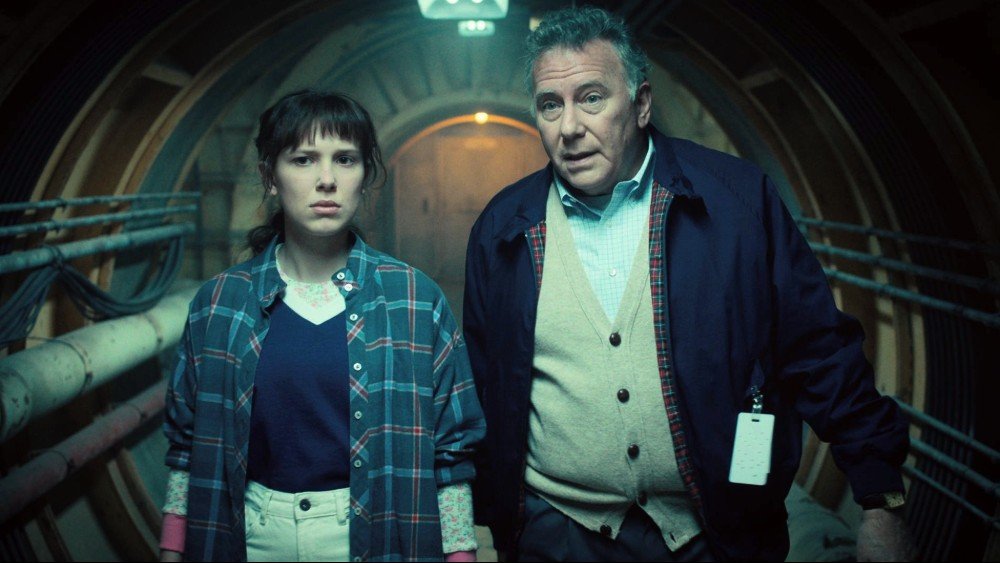
Owens is too important to just evaporate.
If he’s alive, he has information that could blow up every cover story on Earth. If he’s dead, you’d expect the show to say so — because his death would be a major turning point in the “good vs. evil government” thread.
The finale leaves it hanging, which makes it feel less like a mystery and more like a missing scene.
What happens to Murray after the dust settles?
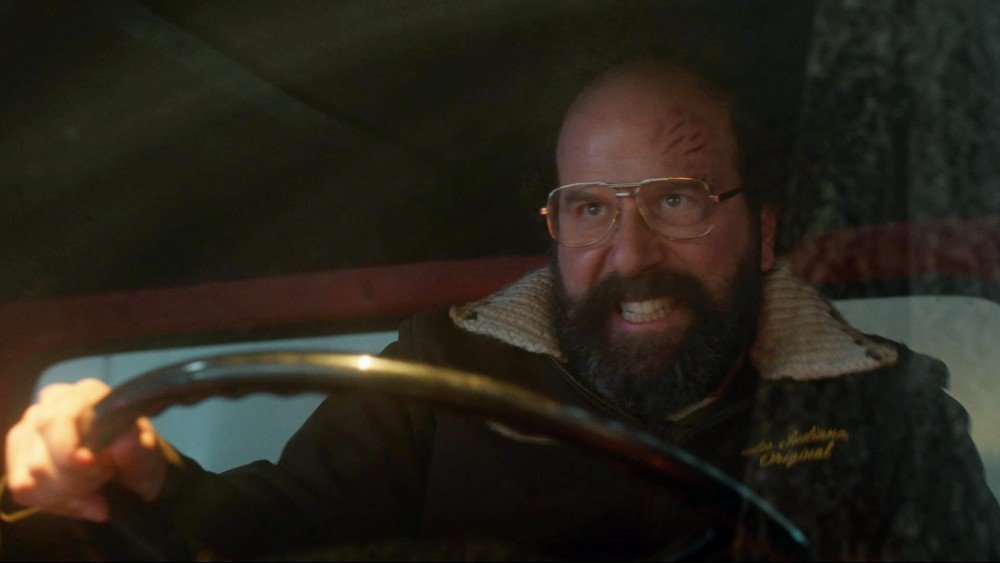
Murray is deeply involved in the final stretch, so it’s odd that his ultimate landing spot doesn’t feel crystal clear.
Does he go back to conspiracy life? Does he get recruited? Does he finally get the peace he clearly doesn’t know how to live with?
The finale tidies up many arcs, but Murray’s future feels like it’s happening in a parallel epilogue we never get to see.
How does the Upside Down suddenly have enough water to fill that tank?
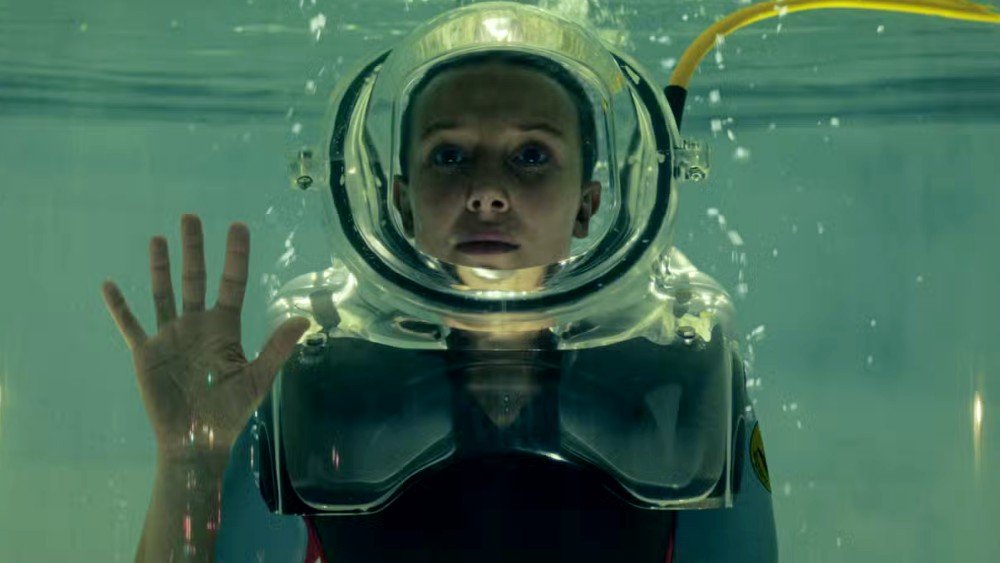
Early seasons treat the Upside Down as dry, ash-filled, and eerie — not exactly “let’s go swimming.”
So when the finale reveals enough liquid to operate a whole setup, it raises the question: did the rules change, or did we simply never see the wet parts before?
Either answer can work, but the show doesn’t clarify, which makes it feel like a convenience rather than a discovery.
If Eleven’s death is an illusion, how does it stay intact through the lab explosion?
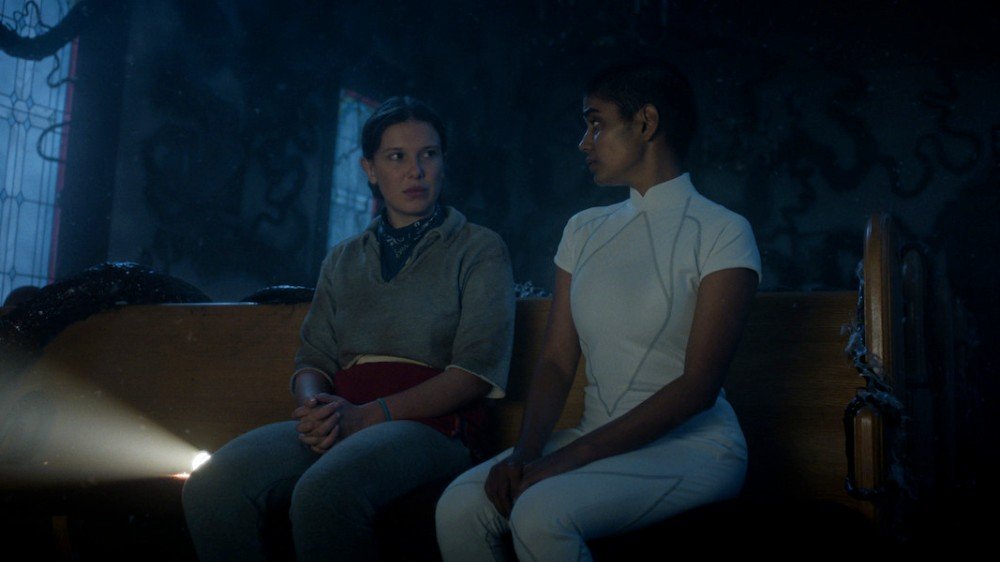
The finale strongly suggests Eleven’s “death” isn’t what it looks like, with the idea that Kali’s powers help conceal what really happens.
But even if you accept the concept, there’s a mechanics question: if the illusion is anchored to a location that explodes first, how is it maintained across time, distance, and chaos?
The show wants the emotional gut-punch and the hopeful twist — and it mostly pulls it off — but the “how” invites scrutiny.
Who is really in charge: Henry, or the Mind Flayer particles?
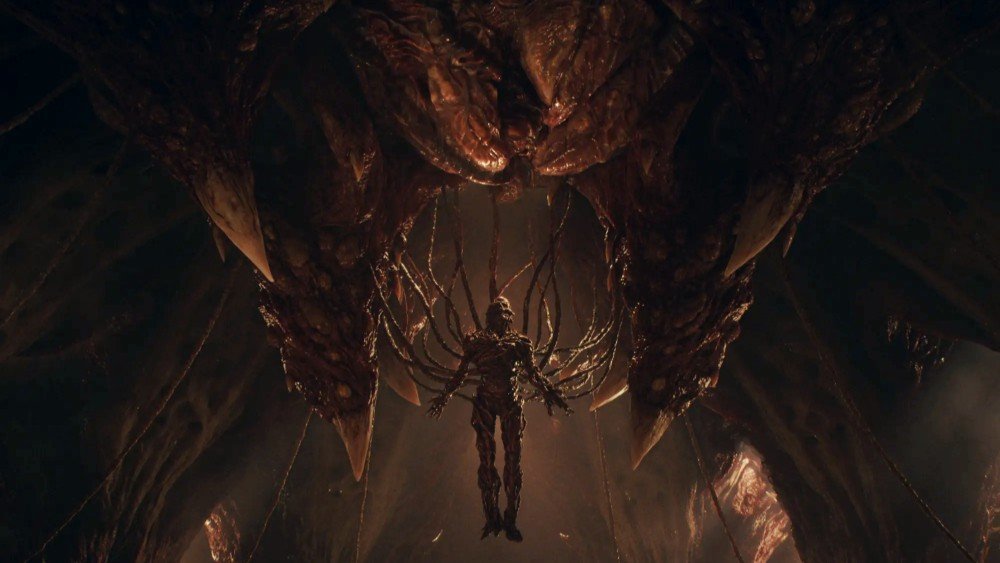
The finale plays with the idea that Henry is both mastermind and vessel — and those are two very different roles.
Is Henry steering everything, shaping the Mind Flayer into his ideology? Or is the Mind Flayer the true ancient intelligence, using Henry as its most compatible human tool?
The show hints in both directions, which keeps Vecna scary… but also keeps the lore slightly foggy, even at the finish line.
If Henry visited that dimension as a child, why does Vecna say Eleven “banished” him there?
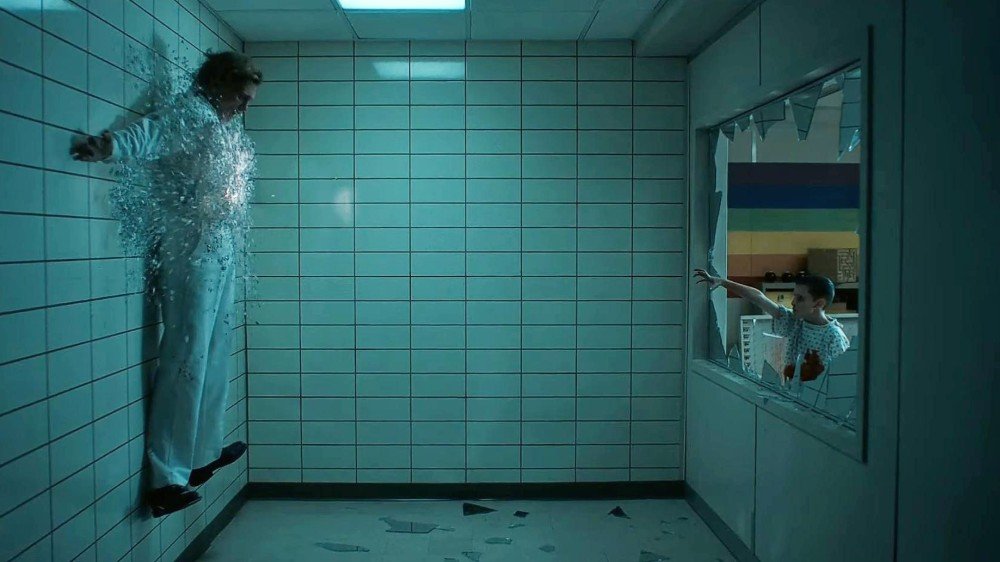
This is where the stage play and the series collide in a way that sparks debate. Again.
If Henry has prior contact with the other world, Vecna’s season 4 framing (“you sent me somewhere new”) becomes harder to take literally.
Maybe it’s a metaphor: Eleven “banishes” him into a different version, or into permanent exile rather than a temporary visit.
Maybe Henry lies for dramatic effect (very on-brand). Still, it’s a line that suddenly feels… flexible.
Why does Vecna need exactly 12 kids?
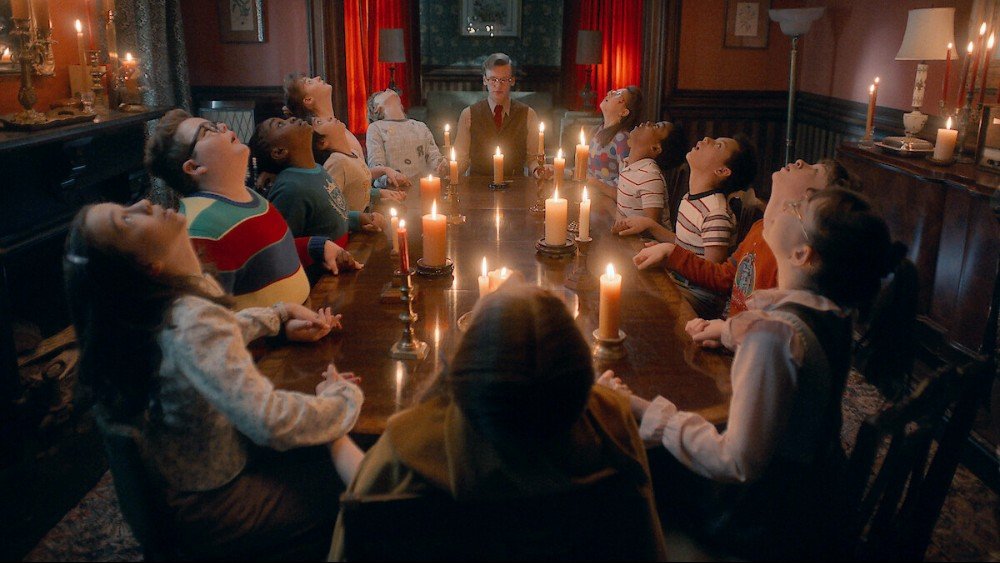
The “12” number feels ritualistic — like a clock, like an alignment, like a specific psychic circuit requirement.
But the finale doesn’t fully explain the rule, which makes it feel like an ominous pattern more than a defined mechanism.
If the story wants us to fear the precision of Vecna’s plan, it helps to understand why that number matters beyond vibes.
Why do Max’s letters and the truth about Will’s painting get dropped?
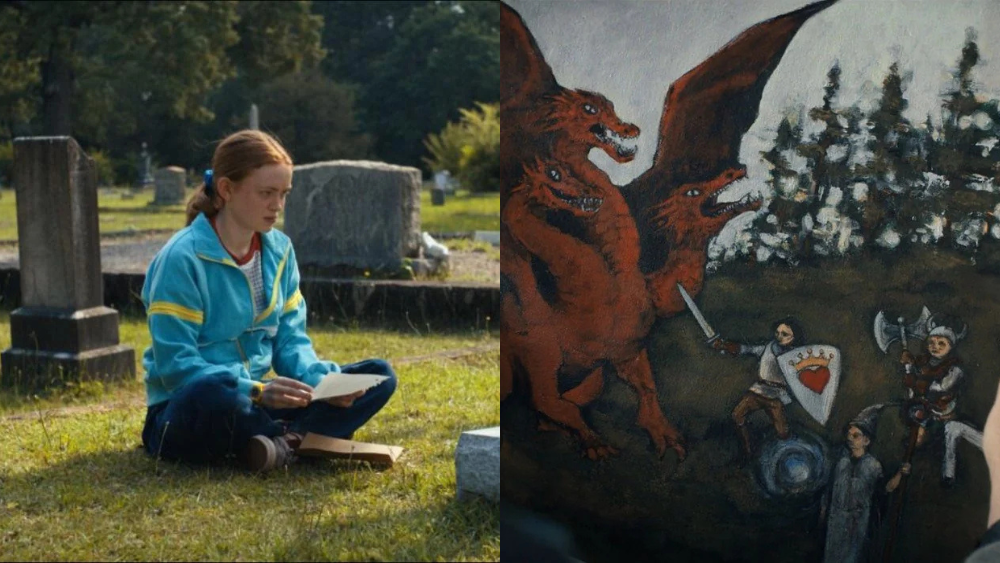
Max’s goodbye letters are a devastating season 4 emotional anchor, so it’s strange that the finale doesn’t circle back to them in any meaningful way.
And on the Will side, Mike never explicitly learns the painting truth — that it comes from Will’s feelings, not Eleven’s “commission.”
Those are two deeply personal, character-driven threads that could have landed beautifully in an epilogue scene. Instead, the finale leaves them hanging, like emotional footnotes we’re meant to fill in ourselves.
Are there any other unanswered questions you have after the Stranger Things series finale? Leave them in the comments! I’d love to chat!