There’s something especially satisfying about a classic story that doesn’t stop at “The End.”
You finish the book, you close the cover, and then your brain immediately goes, Wait… but what happens to them next? Do the lovers stay happy? Do the side characters ever get their own moment? Does anyone actually recover from the mess they just survived?
That’s where book spin-off and sequel TV shows come in.
Instead of retelling the original plot, these series pick up the thread and keep going – sometimes with the same protagonists, sometimes by shifting focus to a character who was overlooked the first time around.
The best ones don’t just cash in on a famous title, they expand the world, test the “happy ending,” and prove there’s still story left in the aftermath.
Below are standout examples that continue beloved classics in fresh, watchable ways.
The Artful Dodger (Oliver Twist)
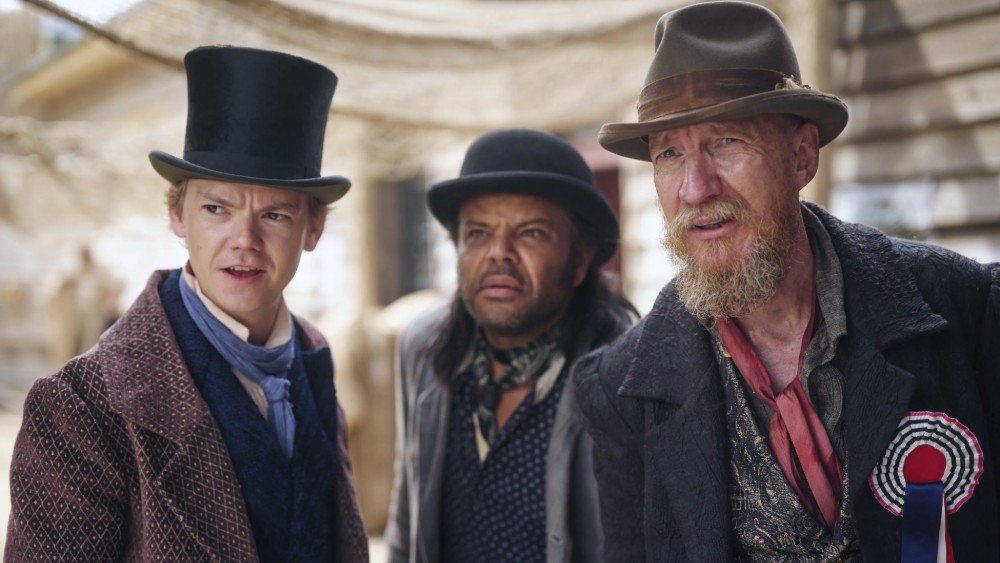
The Artful Dodger is a rare literary spin-off that doesn’t just “continue the story” – it gives the character a whole new life while keeping Dickens’ DNA intact.
Set in 1850s Australia, it follows Jack Dawkins after he’s escaped London and tried to bury his pickpocket past under something respectable: he’s now working as a skilled surgeon.
But New South Wales isn’t exactly a fresh start when your reputation is built on charm and crime.
Trouble arrives in the form of Fagin, who resurfaces and pulls Jack back into schemes, blackmail, and the criminal underworld he thought he’d outgrown.
What makes it click is the internal tug-of-war: Jack wants legitimacy, but he’s wired for shortcuts.
Add a bold romance and social tensions, and you’ve got a continuation that feels propulsive, not nostalgic.
Death Comes to Pemberley (Pride and Prejudice)
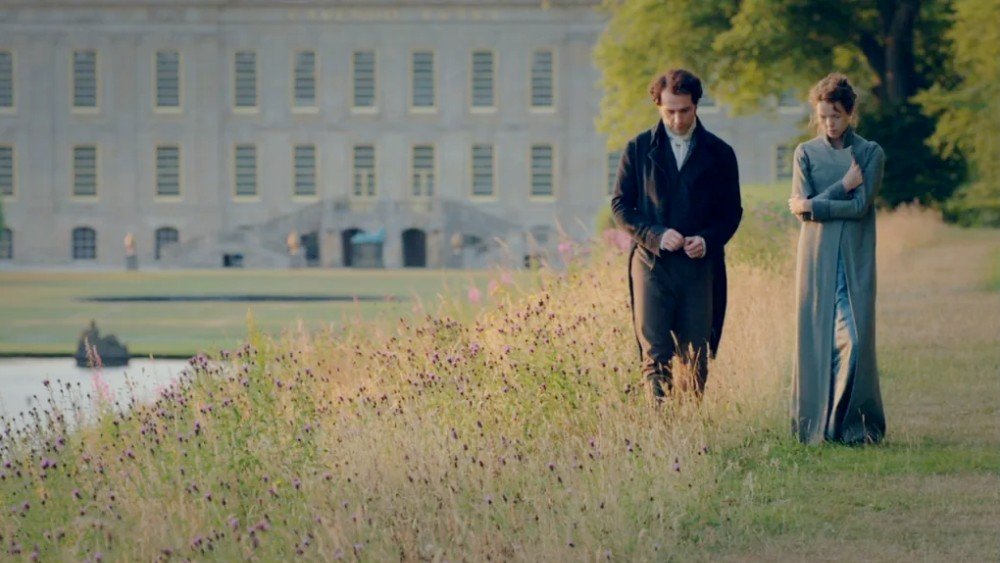
Death Comes to Pemberley is the ultimate “what happens after the happily ever after?” continuation for Pride and Prejudice fans – with a twist: it turns Jane Austen’s world into a full-on murder mystery.
Set six years after Elizabeth Bennet and Mr. Darcy marry, it begins at Pemberley on the night of their annual ball, when Lydia crashes in hysterical, insisting Wickham has been murdered.
Suddenly, the story isn’t about courtship – it’s about scandal, reputation, and what marriage looks like when the outside world threatens your peace.
The fun is seeing familiar characters behave under pressure: Darcy navigating duty and justice, Elizabeth reading people with her usual sharp instincts, and the Bennet chaos machine causing collateral damage.
It’s part period drama, part whodunit, and it uses the crime plot to stress-test the Darcys’ relationship in a way that feels surprisingly natural.
The Other Bennet Sister (Pride and Prejudice)
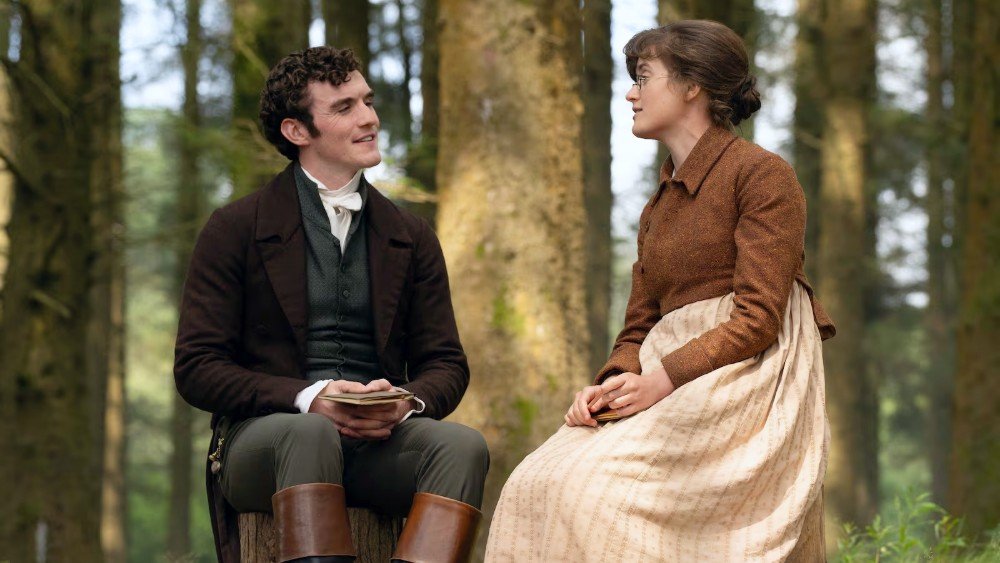
The Other Bennet Sister takes the Pride and Prejudice universe and does something fans always wish more spin-offs would do: it gives a “side” character real interiority.
Instead of retreading Elizabeth and Darcy, it centers Mary Bennet, the overlooked middle sister usually treated as the awkward, moralizing afterthought.
The story revisits familiar events through Mary’s perspective – how it feels to be the one nobody is watching, and how quickly a family can assign you a role you never chose.
Then it moves beyond Austen’s ending and lets Mary build a life outside the Bennet household, with new environments, new relationships, and room to grow into someone more confident and emotionally fluent.
The appeal is watching her learn that being “good” and being “alive” are not the same thing – and that she’s allowed to want more than approval.
Sanditon (Pride and Prejudice)
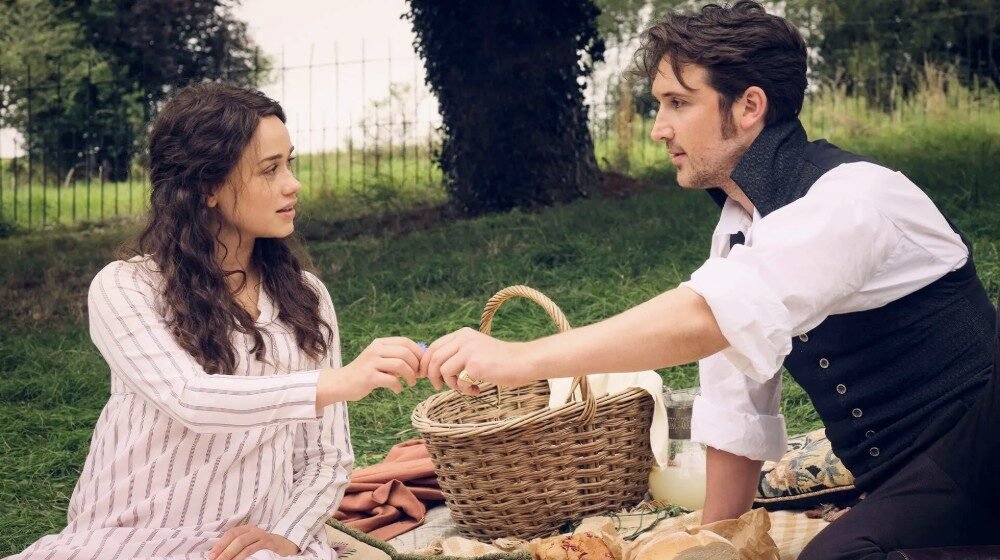
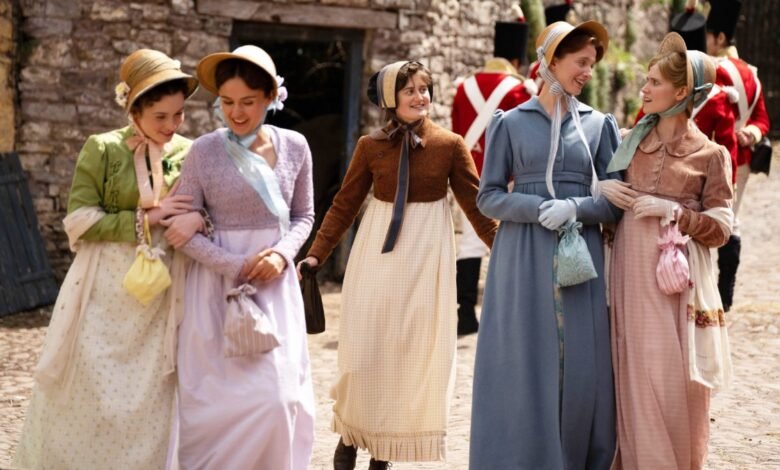
Sanditon is one of the most fascinating “classic book spin-off” cases because the book itself is unfinished – which means the TV series isn’t just adapting Austen, it’s actively continuing her story.
Jane Austen left only a fragment of Sanditon, introducing heroine Charlotte Heywood and the ambitious seaside resort town poised to become the next fashionable destination.
The series uses Austen’s setup for the opening and then expands outward into full Regency drama: romance triangles, social climbing, inheritance wars, and the push-pull between tradition and modernity.
Developed by Andrew Davies, the show ran for three seasons and essentially functions as a fan-ready “what comes next?” continuation – taking Austen’s characters and letting them live beyond the page she never finished.
Scarlett (Gone With the Wind)
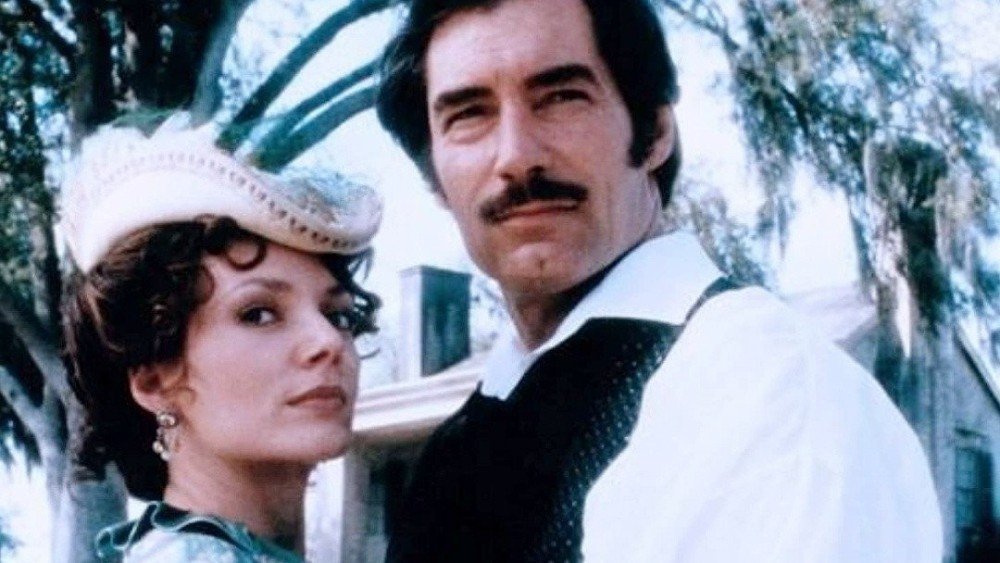
Scarlett is a bold, glossy continuation that dares to pick up the story right where Gone With the Wind leaves you emotionally wrecked: Rhett walks out, and Scarlett refuses to accept that the story is over.
Based on Alexandra Ripley’s sequel novel, the 1994 miniseries follows Scarlett O’Hara as she rebuilds her life with the same stubborn survival instinct that defined her in the original – only now she’s older, harder, and still chasing what she can’t control.
Rather than staying confined to Atlanta, the continuation expands the world outward, pushing Scarlett into new social circles, new conflicts, and a different kind of reinvention.
It’s sweeping melodrama, yes, but it’s also a continuation about consequences: what Scarlett’s choices cost her, what she learns too late, and whether love can survive pride and obsession.
Even if you argue with its decisions, it absolutely commits.
Road to Avonlea (Anne of Green Gables)
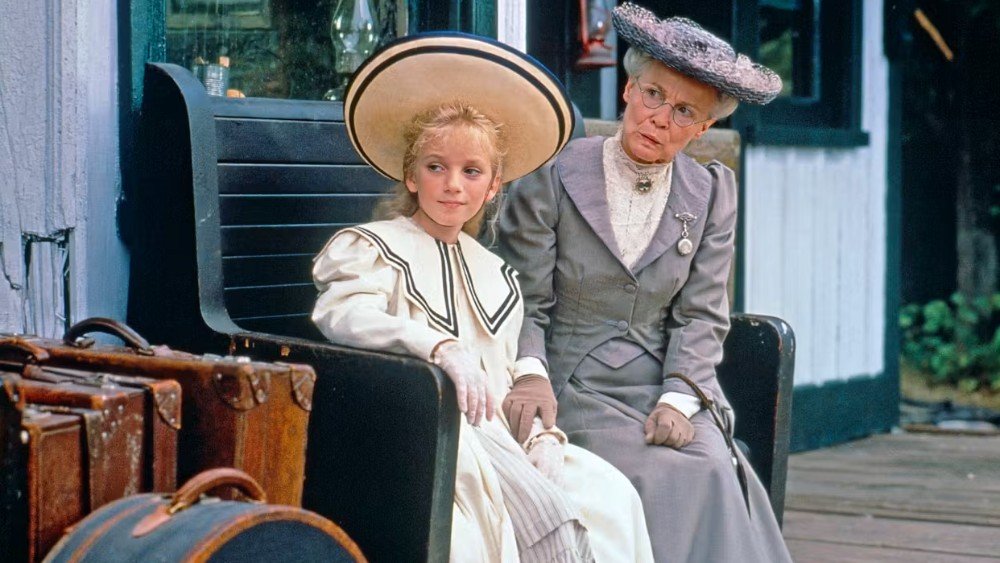
Road to Avonlea is a spin-off that captures the Anne of Green Gables feeling without trying to clone Anne herself – which is exactly why it works.
Inspired by L.M. Montgomery’s broader Avonlea stories, it follows Sara Stanley, a privileged girl sent from Montreal to live with relatives on Prince Edward Island in the early 1900s.
The show keeps that Montgomery comfort-drama rhythm: small-town quirks, moral dilemmas, gentle romance, and a community that feels like an extended family (for better and worse).
Even when the plots get dramatic, the tone stays warm and storybook-like, with episodes that play out like little chapters about growing up, learning empathy, and finding where you belong.
For anyone who finished Anne and immediately wanted more of the town, the values, and the cozy Island atmosphere, this is one of the most satisfying “continuation-adjacent” watches you can find.
Sherlock & Daughter (Sherlock Holmes)
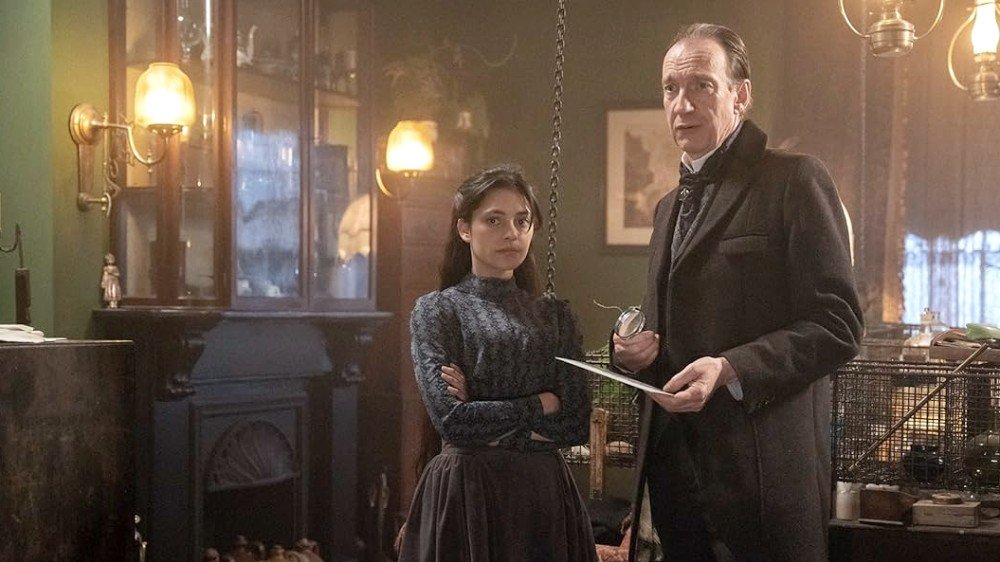
Sherlock & Daughter is exactly the kind of “classic book spin-off that continues the story” that feels designed to hook longtime Sherlock fans and newcomers.
It drops us into 1896 London, with Sherlock Holmes already legendary, then throws in a personal twist the original canon never gave us.
Holmes is pulled into a larger conspiracy tied to a criminal syndicate called the Red Thread, and his life is upended when Amelia Rojas, a young woman from America, arrives insisting he may be her father – while also investigating her mother’s murder.
The show becomes a partnership mystery with a “family secret” engine, blending casework, melodrama, and period intrigue across eight episodes.
Return to Lonesome Dove (Lonesome Dove)
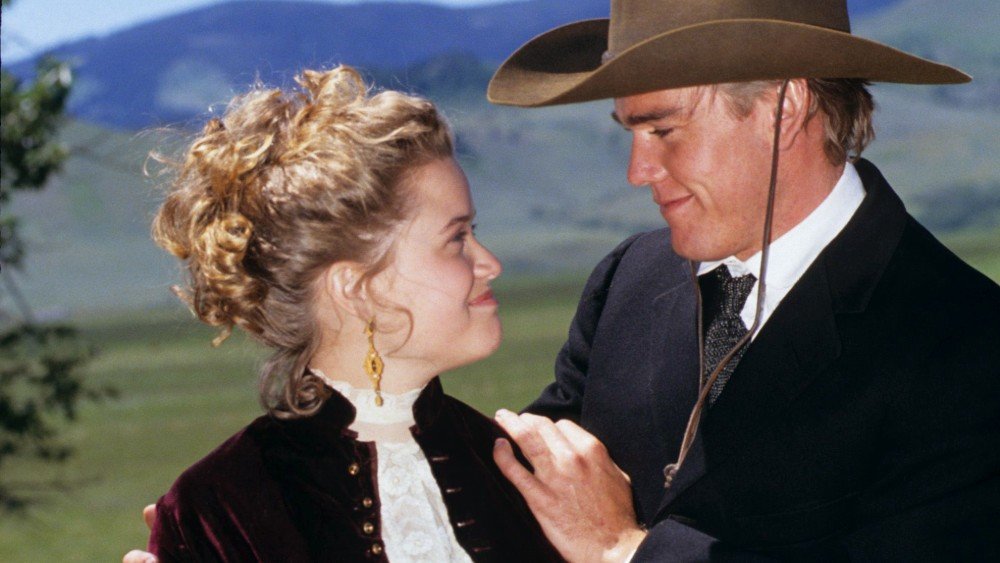
Return to Lonesome Dove is a true “what happens next?” continuation that picks up after the events audiences associate with the Lonesome Dove world and throws its characters into new territory – literally and emotionally.
The story follows Newt Call as he steps out of boyhood and into the messier reality of adulthood, trying to live up to the legacy and expectations left behind by the men who shaped him.
Along the way, the series leans into classic frontier storytelling: ambition, grief, loyalty, and the constant pressure to prove yourself when the world keeps moving and no one waits for you to catch up.
It’s less about the mythic sweep of the original and more about consequence – what survival costs, what purpose looks like after the big journey ends, and how hard it is to build a life when you’re still chasing an idea of who you’re supposed to be.
Streets of Laredo (Lonesome Dove)

Streets of Laredo feels like a sequel that narrows the lens: instead of a sprawling cattle-drive epic, it’s a darker, more reflective continuation built around Captain Woodrow F. Call and the slow reckoning of age, regret, and unfinished business.
The story pushes Call into a late-life mission that’s part duty, part obsession, forcing him to confront not only external threats but the emotional debts he’s dodged for years – especially where Newt is concerned.
It’s the kind of continuation that works because it doesn’t try to “top” what came before; it changes the flavor.
The West here is harsher and more intimate, with fewer romantic illusions about honor and more emphasis on what a lifetime of hardness does to a man.
Clarice (The Silence of the Lambs)

CBS’s Clarice is a rare example of a classic-book spin-off that tries to live in the aftermath – not the iconic story itself.
Set in 1990s, about a year after the events audiences associate with The Silence of the Lambs, it follows FBI agent Clarice Starling as she returns to the field while still dealing with trauma, public scrutiny, and office politics.
The show frames her as both brilliant and isolated, pulling her into a new task force hunting serial predators while powerful people try to control her narrative.
A big hook is that it explores Clarice’s psyche and career in the “missing chapter” between the original story and later continuations – though rights issues meant the series couldn’t use or reference Hannibal Lecter directly.