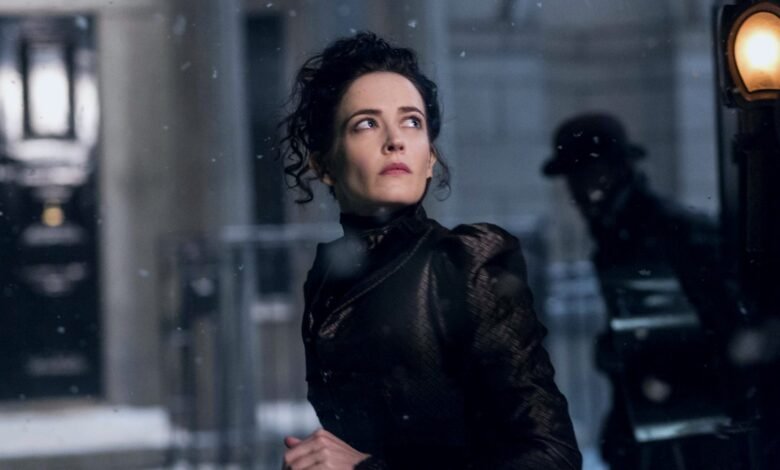
Gothic TV shows live in the shadows – where love curdles into obsession, faith turns unsettling, and the past refuses to stay buried. These are stories steeped in fog, candlelight, decaying mansions, and emotional ruin, where atmosphere matters just as much as plot.
From classic literary adaptations to modern horror infused with grief, religion, and repression, gothic television thrives on unease and moral darkness.
Whether it’s vampires brooding in velvet-lined rooms, cursed families trapped by legacy, or isolated communities unraveling under fear, these shows invite you to linger in the gloom.
If you like your TV moody, macabre, and beautifully haunted, you’re in exactly the right place.
Dracula, NBC (2013)
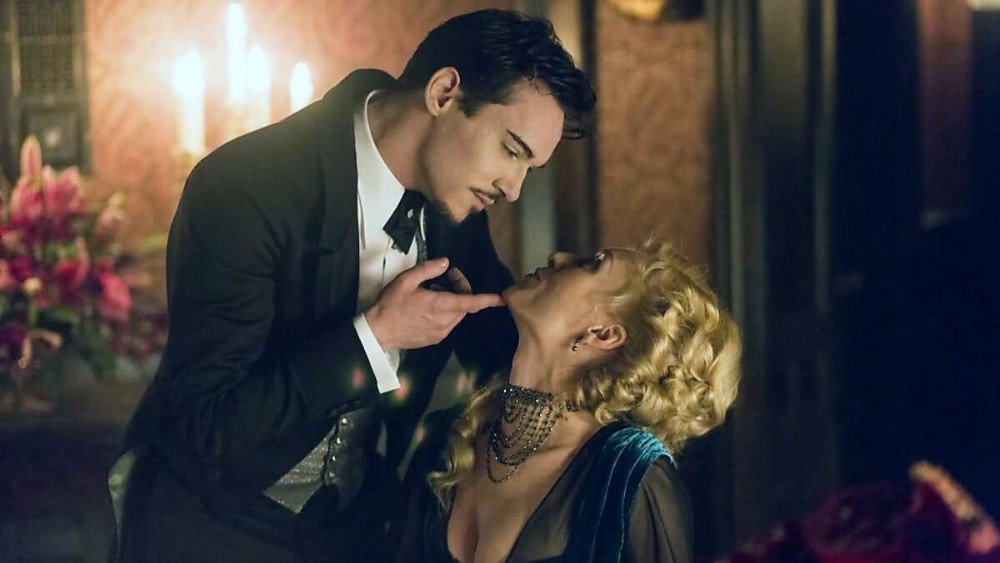
NBC’s Dracula reimagines Bram Stoker’s iconic vampire as a brooding, aristocratic antihero with a modern edge.
Set in Victorian London, the series stars Jonathan Rhys Meyers as Dracula – posing as an American entrepreneur while secretly plotting revenge against the Order of the Dragon.
Gothic romance, shadowy conspiracies, and gaslit streets give the show a lush, dark atmosphere.
This version leans hard into sensuality and moral ambiguity, framing Dracula as both monster and tragic lover.
Though short-lived, the series is steeped in classic gothic imagery – corsets, candlelight, and corruption – and feels like prestige horror filtered through a Victorian melodrama lens.
Penny Dreadful, Showtime/Sky Atlantic (2014 – 2016)
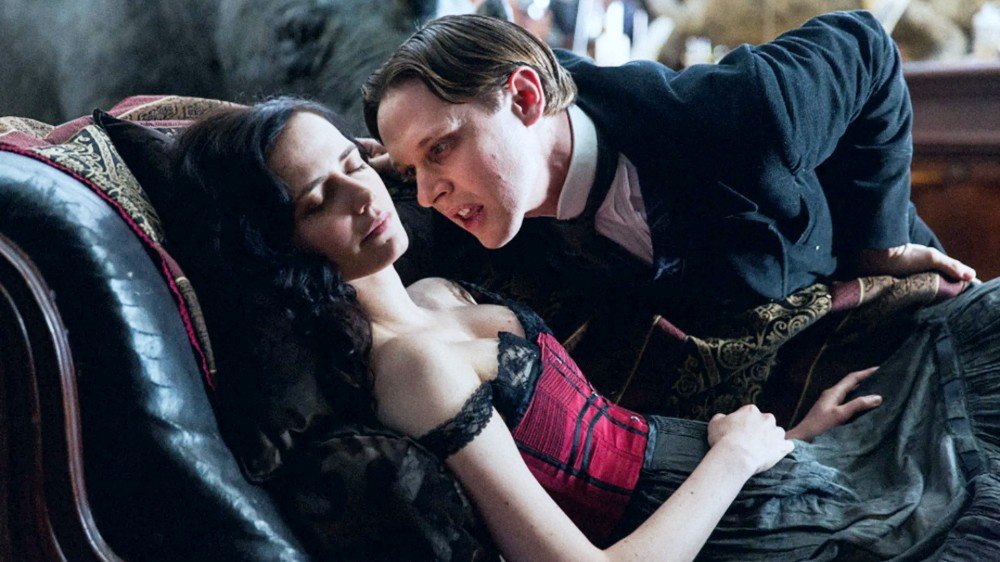
Penny Dreadful is gothic horror at its most literary and lavish.
Also set in late 19th-century London, the series weaves together classic characters like Dracula, Frankenstein, Dorian Gray, and witches into one beautifully unhinged narrative.
Eva Green’s performance as Vanessa Ives anchors the show with raw intensity, spiritual anguish, and supernatural dread.
Every frame drips with gothic excess – foggy alleys, blood rituals, haunted mansions, and existential despair. It’s as much about faith, guilt, and repression as it is about monsters.
Dark, poetic, and emotionally devastating, Penny Dreadful doesn’t just flirt with gothic horror – it fully commits and leaves bite marks.
Salem, WGN America (2014 – 2017)
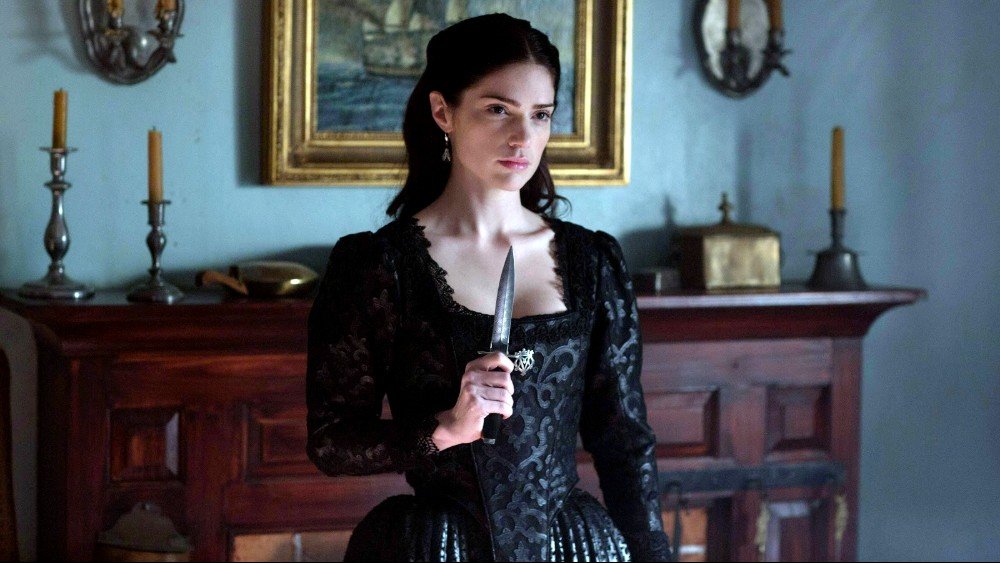
Salem takes the infamous witch trials and cranks the gothic horror all the way up.
This version of 17th-century Massachusetts imagines a town where witches are very real – and secretly running everything.
The show leans into baroque visuals, occult rituals, and unapologetic darkness, with Janet Montgomery’s Mary Sibley as a seductive, power-hungry witch at its center.
Blood magic, puritan hypocrisy, and religious paranoia collide in a world steeped in fear and repression.
Salem is lurid, stylish, and gleefully evil, embracing gothic horror as spectacle. It’s not subtle – but that’s exactly why it works.
Interview with the Vampire, AMC (2022 – present)
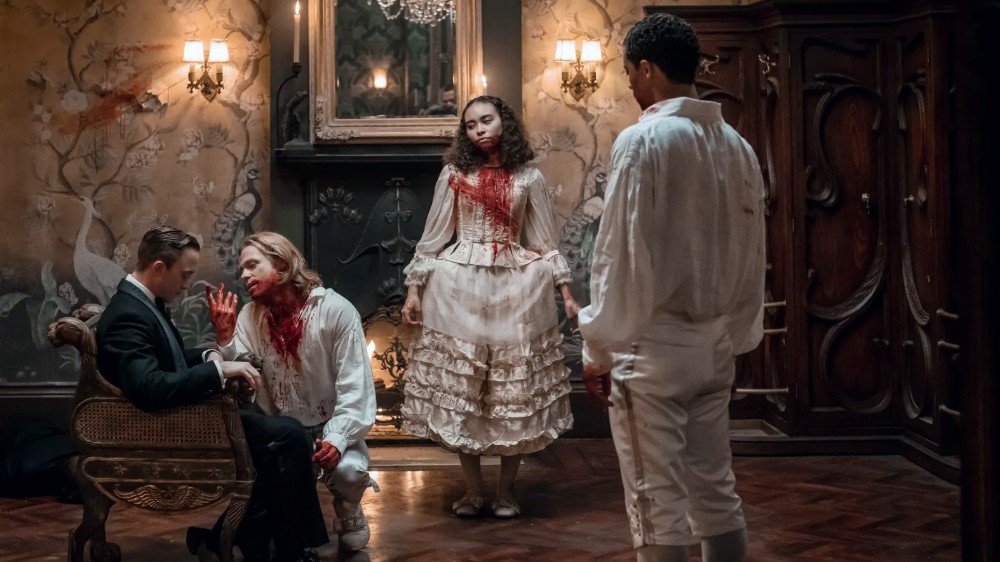
AMC’s Interview with the Vampire reinvents Anne Rice’s gothic classic with emotional depth, queerness, and modern sensibilities – without losing its tragic soul.
Set across centuries, the series explores immortality, power, and obsession through the toxic romance between Louis and Lestat.
Lavish costumes, decaying mansions, and candlelit confessions give the show a deeply gothic aesthetic, while its character-driven storytelling digs into guilt, desire, and moral rot.
This isn’t just a vampire story – it’s a meditation on love that curdles into control.
Darkly intimate and emotionally brutal, Interview with the Vampire proves that gothic horror thrives on complicated relationships.
Mayfair Witches, AMC (2023 – present)
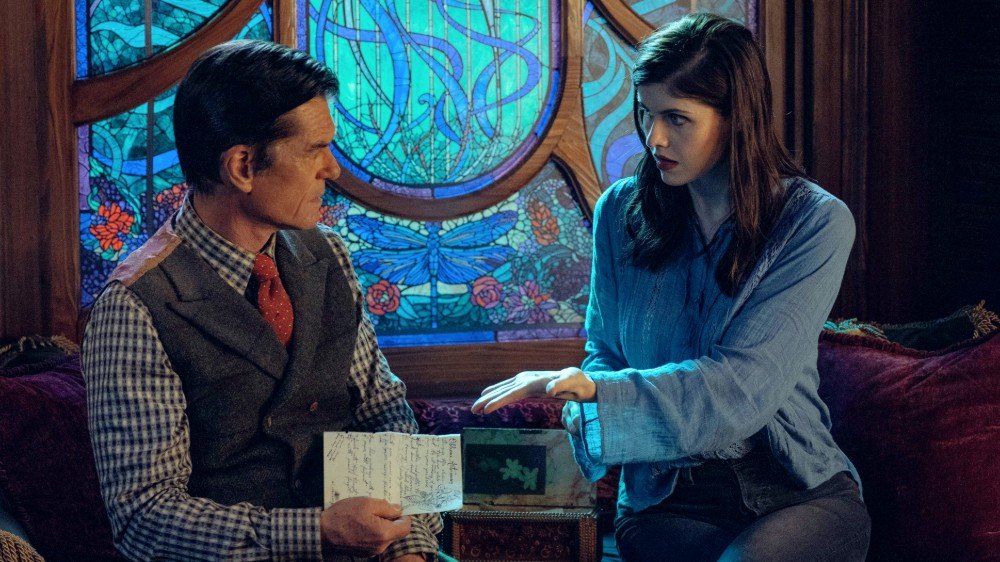
Set in the humid, haunted streets of New Orleans, Mayfair Witches leans into Southern Gothic tradition with witches, cursed bloodlines, and ancestral trauma.
Based on Anne Rice’s novels, the series follows Rowan Fielding as she uncovers her connection to a powerful witch dynast – and an unsettling spirit bound to her family.
The atmosphere is thick with decay, sensuality, and dread, blending old-money mansions with occult lore.
While more restrained than Interview with the Vampire, the show still embraces gothic staples: inherited evil, forbidden knowledge, and the idea that power always comes at a cost.
It’s slow-burning, moody, and steeped in dark legacy.
Dracula, BBC One/Netflix (2020)
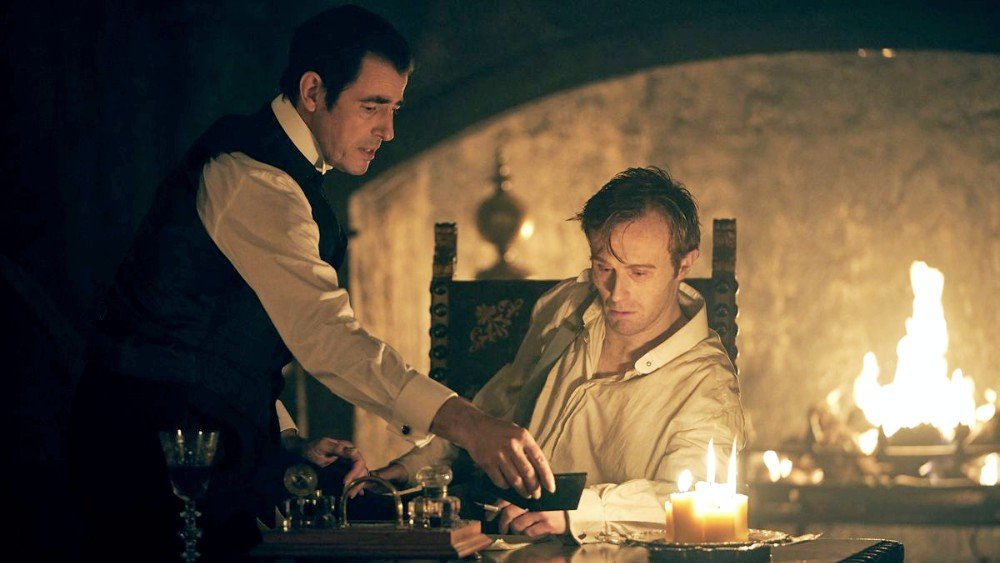
The BBC’s Dracula, from the creators of Sherlock, offers a sharp, unsettling take on the classic vampire myth.
Told in three distinct chapters, the series reimagines Dracula as a charismatic, cruel, and deeply philosophical predator.
Gothic castles, religious symbolism, and existential horror dominate the first episode, while later installments twist expectations in bold, divisive ways.
Claes Bang’s Dracula is seductive and terrifying in equal measure, embodying the gothic fascination with power and transgression.
The show interrogates fear, immortality, and guilt, making it less a traditional horror story and more a gothic thought experiment – with teeth.
Chapelwaite, Epix (2021)
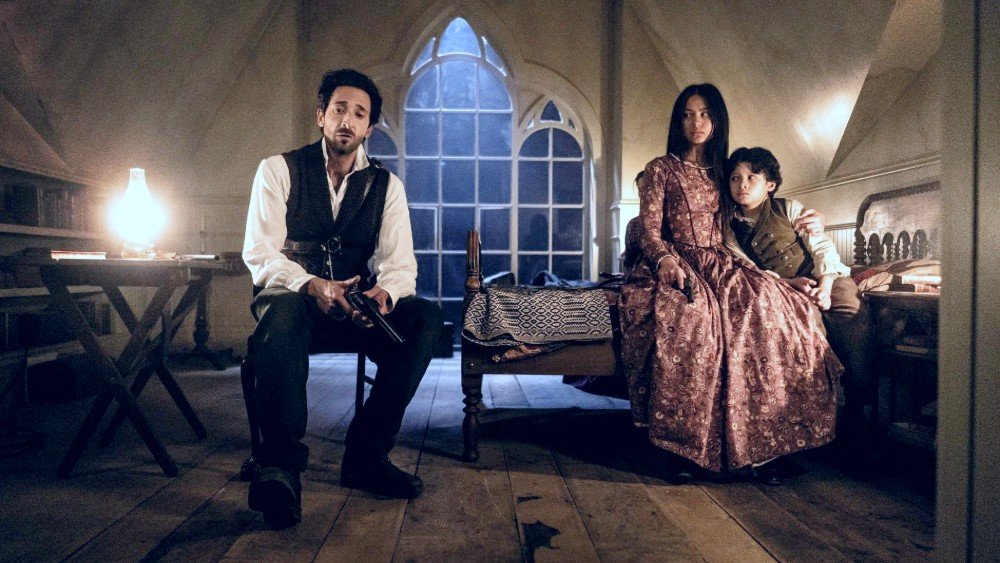
Based on a Stephen King short story, Chapelwaite is a slow, atmospheric gothic horror rooted in grief and isolation.
Adrien Brody stars as a widower who moves his family to a decaying ancestral home in 19th-century Maine – only to uncover a legacy of madness, superstition, and unspeakable secrets.
The series leans heavily into gothic tropes: cursed bloodlines, oppressive architecture, religious fanaticism, and creeping dread. Shadows linger in every corner, and silence becomes its own kind of terror.
Chapelwaite isn’t about jump scares – it’s about rot, legacy, and the way the past refuses to stay buried.
Midnight Mass, Netflix (2021)
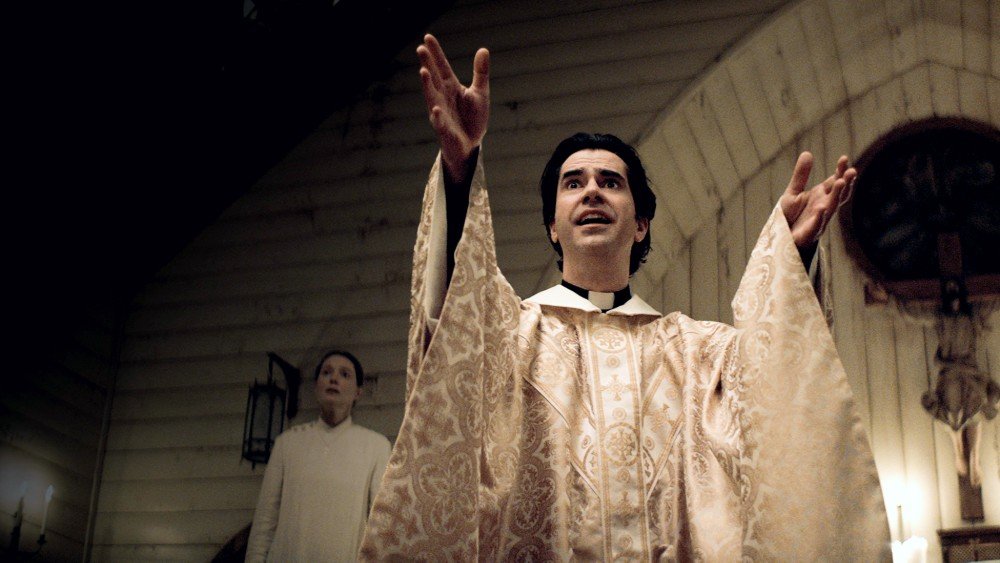
Midnight Mass is gothic horror filtered through faith, guilt, and small-town isolation.
Set on a remote island, the series slowly reveals something deeply wrong beneath its quiet surface.
Catholic imagery – confessionals, communion, resurrection – becomes a source of mounting dread rather than comfort.
The show’s horror is existential and spiritual, asking what happens when belief curdles into fanaticism. Candlelit churches, dark shorelines, and whispered prayers create an oppressive atmosphere that feels classically gothic.
Rather than relying on monsters alone, Midnight Mass turns faith itself into something unsettling, making it one of the most haunting modern gothic series on television.
Forever Knight, CBS/syndication/USA Network (1992 – 1996)
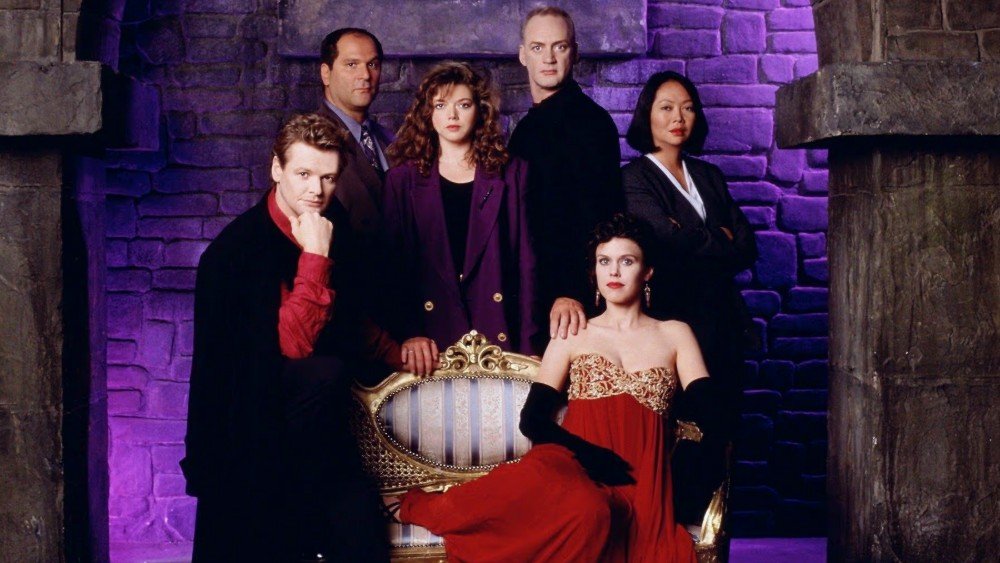
Forever Knight blends gothic romance with ‘90s procedural drama, following a vampire detective seeking redemption for centuries of sin.
Nick Knight works homicide by night, haunted by guilt and longing to become human again.
The show’s aesthetic – neon-lit streets, gothic flashbacks, and moody narration – captures a melancholic, urban gothic vibe.
Unlike many vampire series, Forever Knight focuses heavily on morality, faith, and repentance, framing immortality as a curse rather than a gift.
It’s earnest, brooding, and deeply reflective, making it a foundational gothic TV series long before vampires became pop culture heartthrobs.
American Gothic, CBS (1995 – 1996)
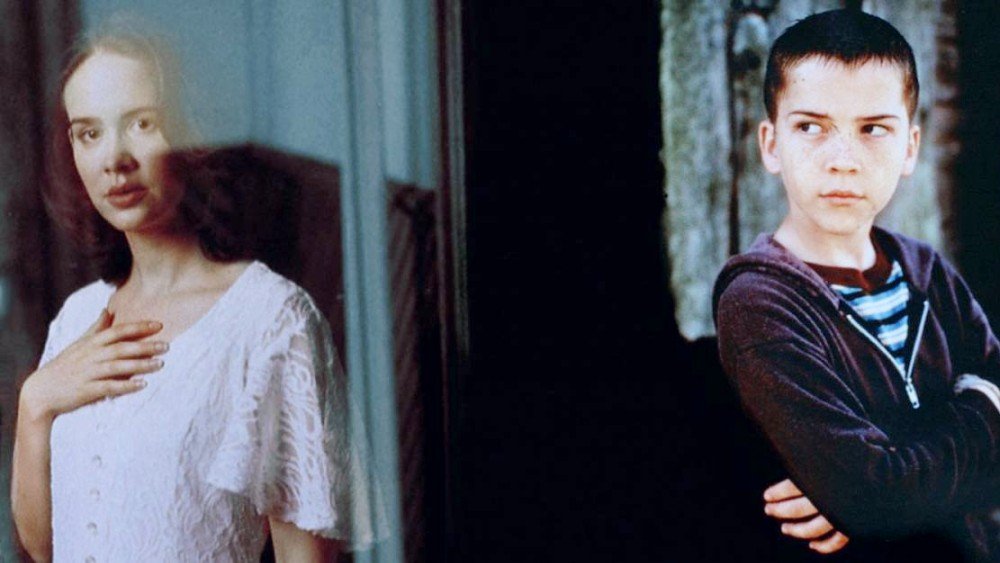
American Gothic brings southern gothic horror to network TV with eerie restraint and moral unease.
Set in a small town haunted by secrets, the series centers on a charming but deeply sinister sheriff who may – or may not – be the devil himself.
Decay, corruption, and inherited evil seep into every storyline, blurring the line between supernatural horror and human cruelty.
The show’s quiet dread, whispered threats, and sense of inescapable fate make it a standout gothic series despite its short run.
American Gothic thrives on atmosphere, suggesting that the real horror isn’t monsters – but power left unchecked.
The Fall of the House of Usher, Netflix (2023)
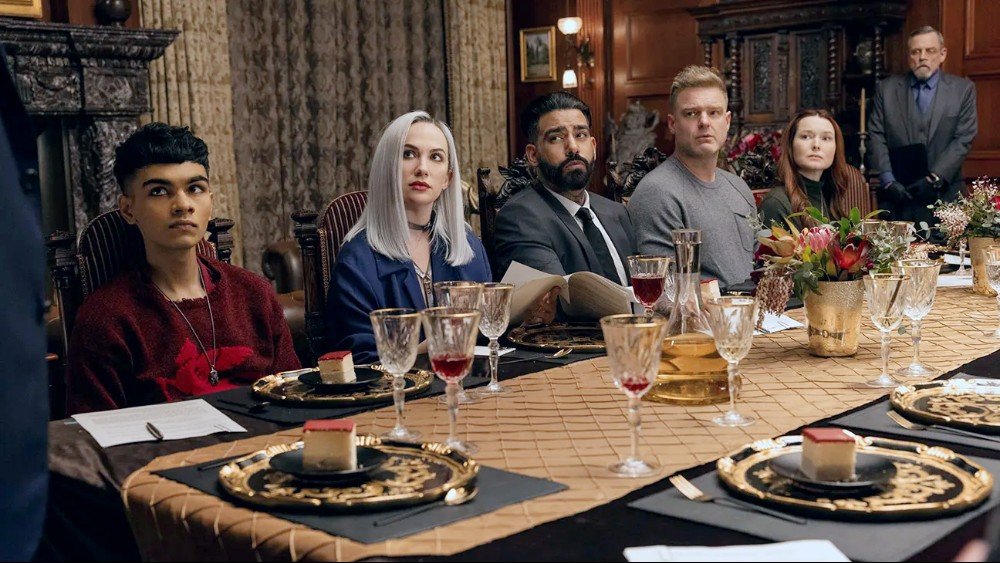
Mike Flanagan’s The Fall of the House of Usher is gothic horror turned into a corporate tragedy.
Inspired by Edgar Allan Poe, the series reimagines classic stories as the downfall of a wealthy, corrupt dynasty. Decaying mansions, haunted heirs, and poetic deaths create a modern gothic nightmare fueled by greed and denial.
The show fuses gothic aesthetics with contemporary satire, proving the genre thrives on moral rot just as much as cobwebs.
With its rich symbolism and operatic doom, House of Usher feels like a funeral procession for power – and a love letter to gothic storytelling.
The Terror Season 1, AMC (2018)
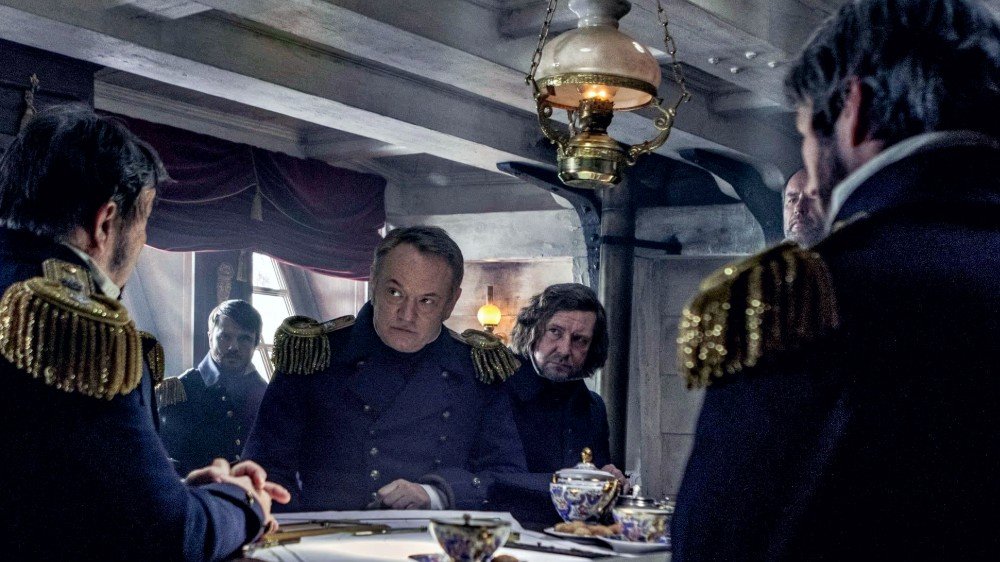
Season one of The Terror is gothic horror dressed as a historical survival drama.
Based on a real Arctic expedition gone wrong, the series transforms isolation, cold, and starvation into a slow descent into madness.
The bleak landscapes, rotting ships, and creeping sense of doom evoke gothic themes of entrapment and human fragility.
Whether the horror is supernatural or psychological barely matters – the atmosphere is suffocating either way.
The Terror explores how fear, faith, and desperation warp morality when civilization disappears, making it a chilling and deeply gothic meditation on endurance and collapse.
Carnivàle, HBO (2003 – 2005)
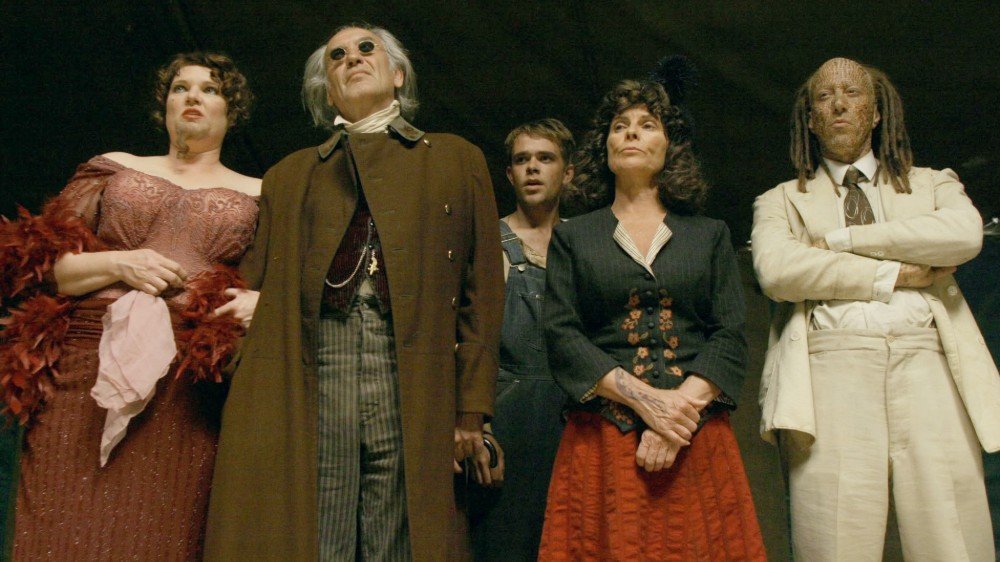
Carnivàle is gothic mysticism set against the dust and despair of the Great Depression.
Following a traveling carnival filled with outsiders and secrets, the series explores a cosmic battle between good and evil through prophecy, faith, and fate. Tarot cards, visions, and biblical symbolism dominate its storytelling, giving it an almost mythic weight.
The carnival itself feels like a gothic space – temporary, cursed, and full of hidden truths.
Carnivàle is dense, unsettling, and deeply symbolic, rewarding patience with a haunting exploration of destiny and moral ambiguity. Few shows feel as spiritually heavy or visually distinctive.
The Frankenstein Chronicles, ITV Encore (2015 – 2017)
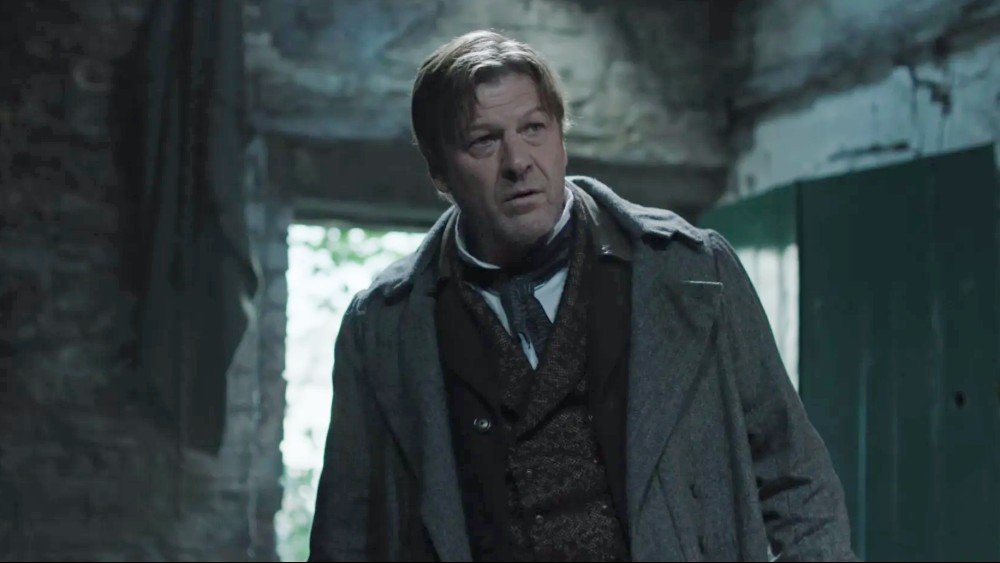
The Frankenstein Chronicles merges gothic horror with gritty crime drama, reimagining Mary Shelley’s myth through a Victorian police investigation.
Sean Bean stars as a detective uncovering a string of grotesque murders that hint at forbidden scientific experimentation.
Foggy streets, body horror, and moral decay define the show’s atmosphere, grounding classic gothic themes in a procedural framework. It explores obsession, grief, and humanity’s dangerous pursuit of godlike power.
The series treats Frankenstein not as a monster story but as a meditation on creation and consequence – making it a chilling, intellectually gothic take on familiar material.
Great Expectations, BBC One/FX (2023)
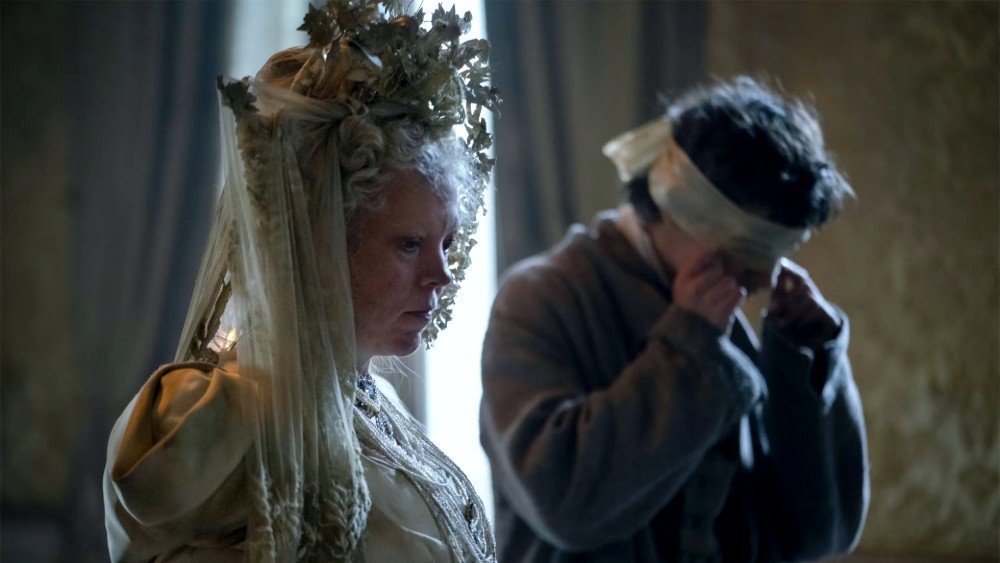
The 2023 adaptation of Great Expectations leans hard into a gothic atmosphere, emphasizing the novel’s darkness and emotional cruelty.
Decaying estates, obsessive love, and inherited trauma dominate this version of Dickens’ classic. Miss Havisham’s world feels particularly gothic – frozen in time, rotting from within, and fueled by bitterness.
The series highlights how social ambition and emotional repression corrode the soul, turning longing into something monstrous.
With moody visuals and an emphasis on psychological damage, Great Expectations becomes less a coming-of-age story and more a gothic warning about desire and the cost of clinging to the past.
Great Expectations, BBC One (2011)
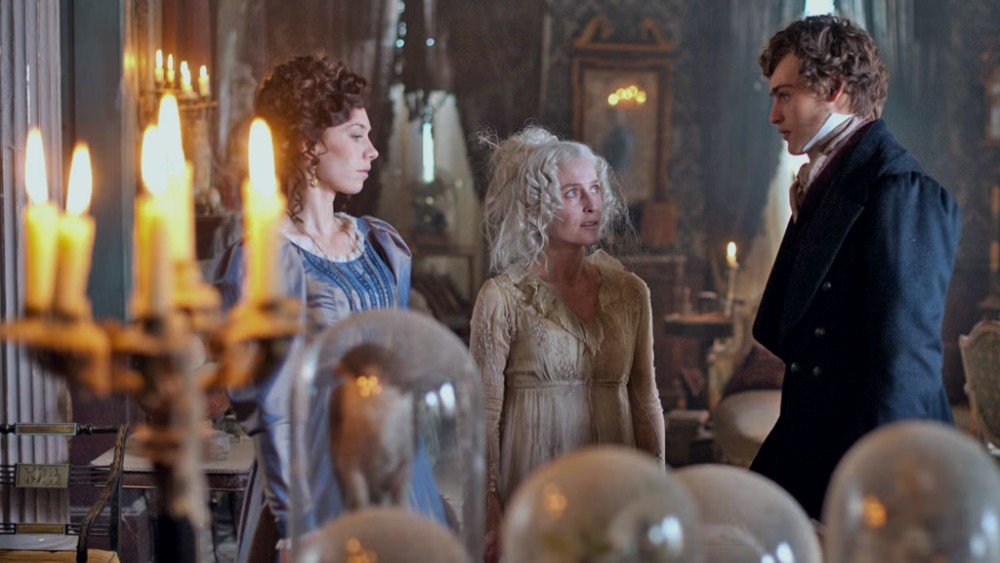
The 2011 BBC adaptation of Great Expectations also leans fully into the story’s gothic DNA, emphasizing decay, obsession, and emotional cruelty over cozy period drama vibes.
Gillian Anderson’s Miss Havisham is especially chilling – less eccentric recluse, more living ghost, haunting her crumbling mansion like a warning about love turned toxic.
Foggy marshes, shadowy interiors, and a constant sense of unease give this version a darker edge than many adaptations.
Pip’s journey feels less like a hopeful coming-of-age tale and more like a slow moral unraveling shaped by class anxiety and manipulation.
It’s moody, restrained, and deeply gothic, perfect for viewers who prefer their Dickens bleak and beautifully haunted.
The Crow: Stairway to Heaven, Syndication (1998–1999)
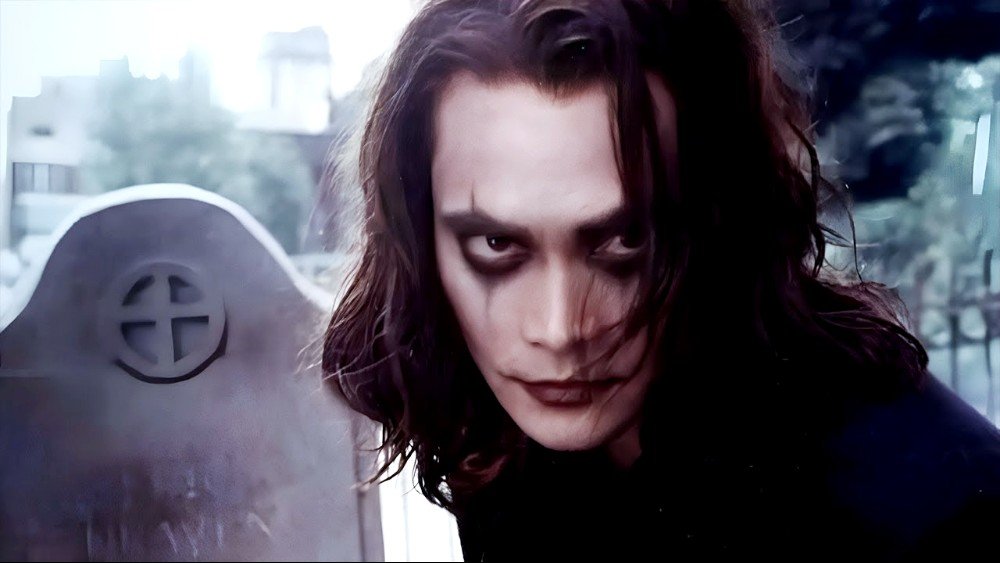
Based on the cult film, The Crow: Stairway to Heaven brings gothic revenge to late-’90s television.
Eric Draven returns from the dead to right wrongs, guided by grief, love, and supernatural justice.
Rain-soaked streets, industrial decay, and mournful monologues give the series its signature gothic tone.
While episodic in structure, the show maintains an undercurrent of tragedy and romantic fatalism.
It’s earnest, atmospheric, and deeply rooted in gothic themes of resurrection and vengeance – proof that gothic storytelling can thrive even within the constraints of network TV.
Wednesday, Netflix (2022 – present)
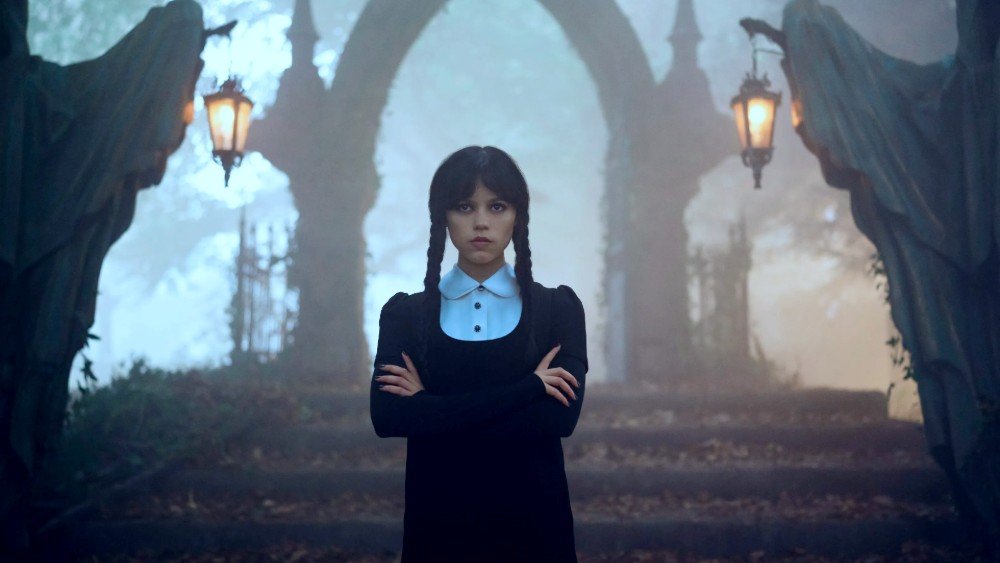
Wednesday brings gothic aesthetics to mainstream pop culture through Nevermore Academy and its deadpan heroine.
Tim Burton’s influence is unmistakable: blue-toned visuals, shadowy corridors, and a fascination with the macabre.
While lighter than traditional gothic horror, the series embraces gothic themes of alienation, death, and identity.
Wednesday Addams is the ultimate gothic protagonist – emotionally distant, intellectually sharp, and deeply uninterested in normalcy.
The show balances murder mystery with dark humor, making gothic sensibilities accessible without losing their edge. It’s gothic-lite, but unmistakably rooted in the genre’s love of outsiders and the uncanny.
The Essex Serpent, Apple TV+ (2022)
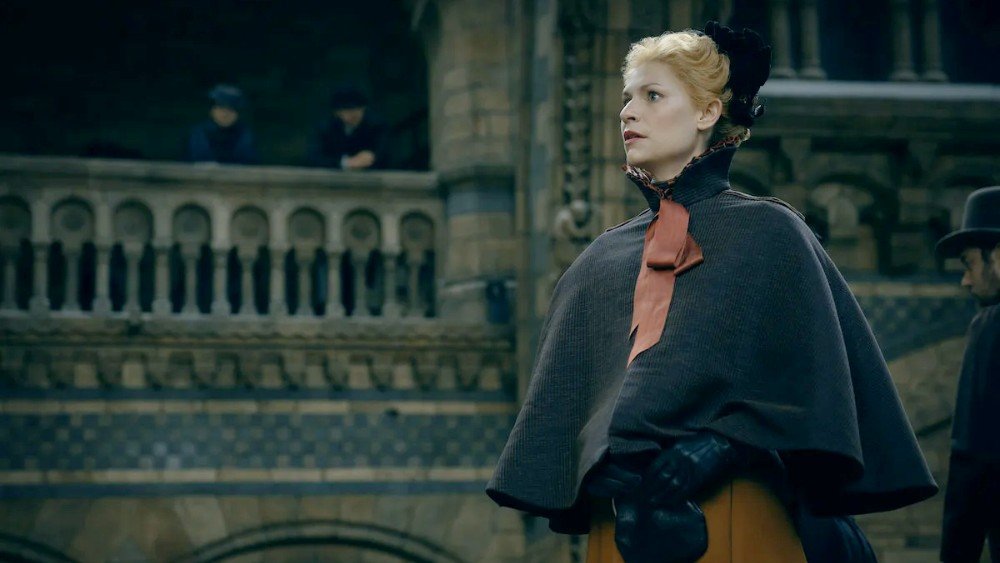
The Essex Serpent is a quiet, melancholic gothic drama steeped in fog, superstition, and repressed longing.
Set in Victorian England, the series explores the tension between science and faith as rumors of a mythical sea creature stir collective fear. Crumbling villages, moral restraint, and emotional isolation create an atmosphere heavy with dread.
The gothic horror here is subtle – rooted in belief, desire, and the human need for meaning.
Rather than monsters, the series focuses on obsession and the terror of uncertainty. It’s restrained and literary, perfect for viewers who love gothic storytelling that simmers rather than screams.
The Haunting of Hill House (2018)
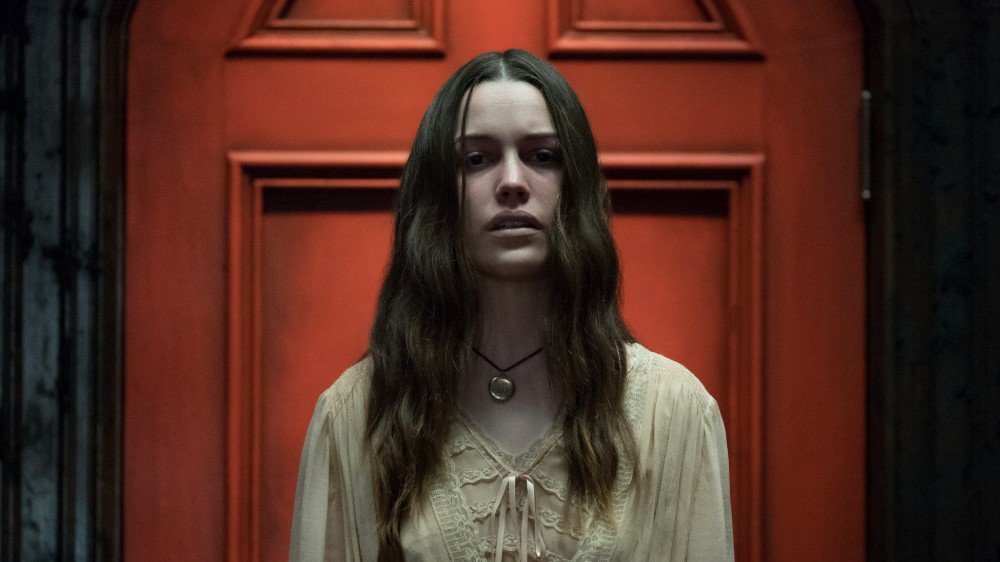
The Haunting of Hill House modernizes gothic horror while staying true to its emotional core.
The series uses haunted architecture, family trauma, and memory as its primary tools of terror. Hill House itself is a classic gothic structure – decaying, alive, and deeply malevolent.
Rather than relying on jump scares alone, the show explores grief as something that lingers and consumes.
Ghosts are both literal and emotional, tied to loss and regret. With its fractured timeline and oppressive atmosphere, Hill House proves gothic horror is at its most powerful when it’s about the past refusing to let go.
The Alienist, TNT (2018 – 2020)
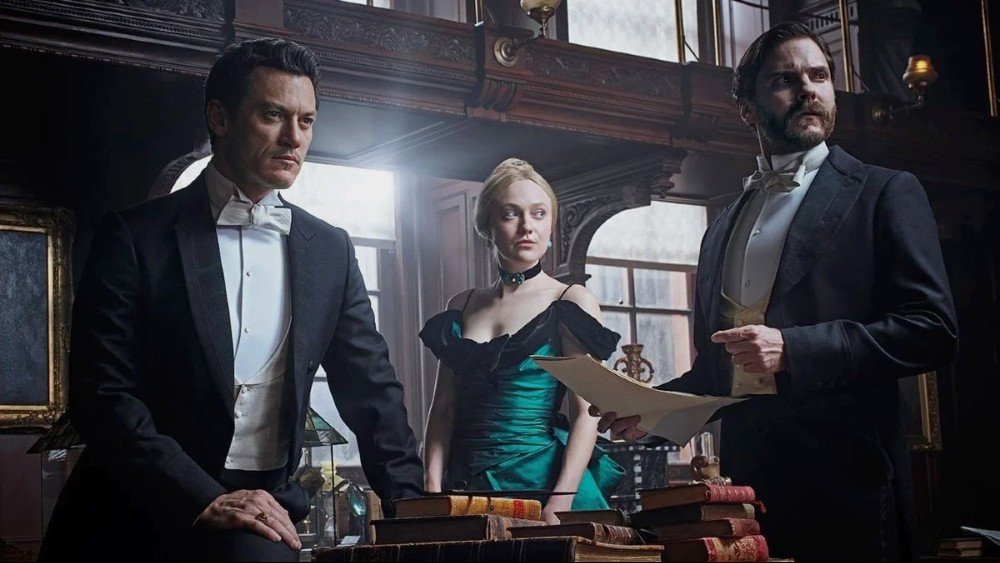
Set in a shadowy, turn-of-the-century New York, The Alienist blends gothic horror and dark academia with early criminal psychology.
Dark alleyways, institutional corruption, and repressed violence dominate the series’ atmosphere.
The show examines how society’s outcasts -women, immigrants, and the mentally ill – are ignored or exploited, giving it a distinctly gothic sense of moral decay.
With its obsession with hidden monsters and damaged minds, The Alienist feels less like a standard crime drama and more like a gothic exploration of civilization’s thin veneer.
Stylish, grim, and unsettling, it thrives on the darkness beneath progress.
A Christmas Carol, FX/BBC One (2019)
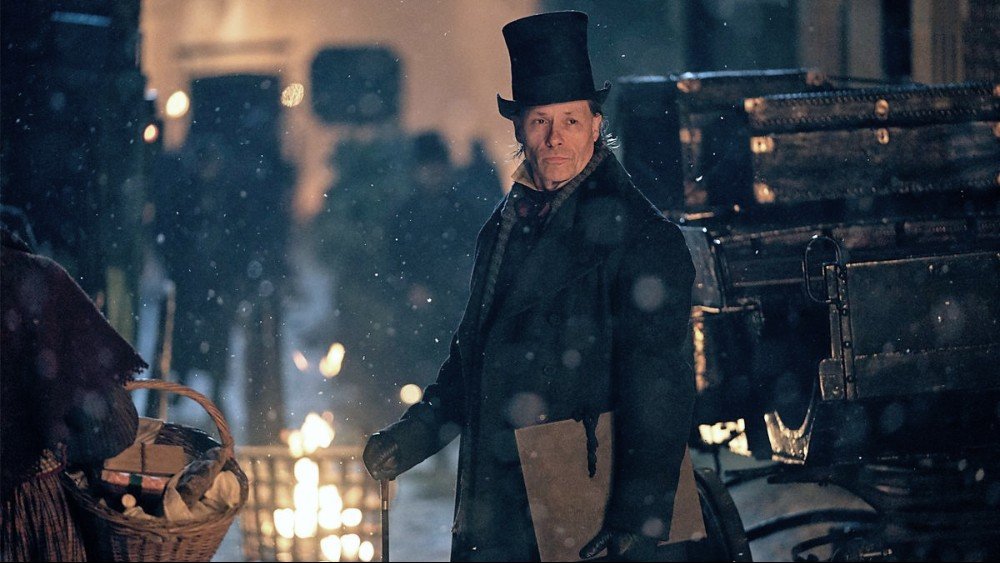
The 2019 BBC adaptation of A Christmas Carol strips away sentimentality and leans hard into gothic bleakness.
This version paints Victorian London as cold, cruel, and spiritually decayed, with Guy Pearce’s Ebenezer Scrooge reimagined as deeply traumatized and morally compromised.
Ghosts are not whimsical guides but ominous, unsettling forces, and the series confronts themes of abuse, guilt, and systemic cruelty head-on.
Shadowy streets, oppressive interiors, and a grim color palette give the story a haunting edge.
It’s less a holiday comfort watch and more a gothic morality tale about reckoning with the past – and the cost of emotional isolation.
Jane Eyre, BBC One (2006)
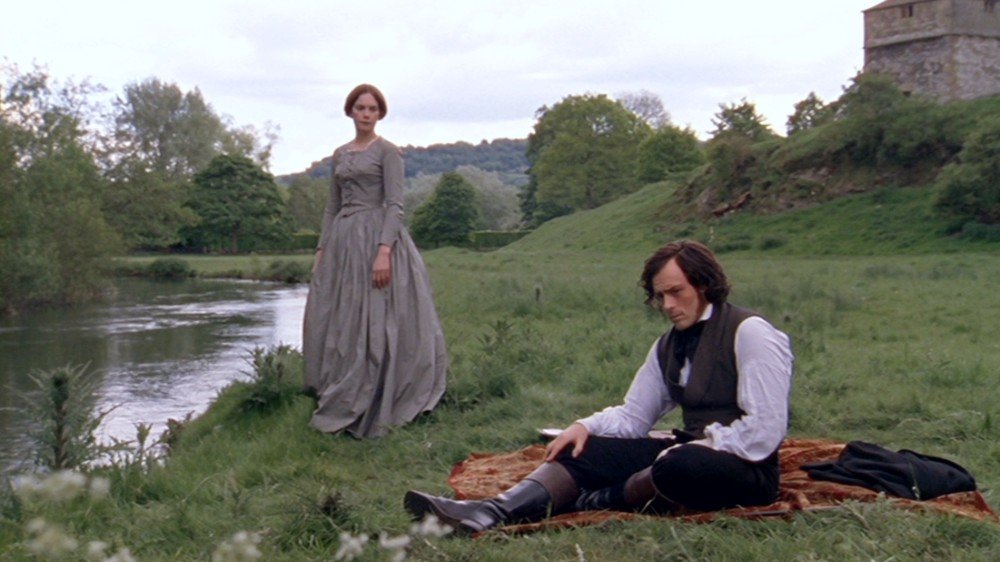
The 2006 BBC adaptation of Jane Eyre fully embraces the novel’s gothic heart.
Thornfield Hall looms as a place of secrets and repression, its dark corridors echoing with unspoken truths.
Ruth Wilson’s Jane is quiet but unyielding, while Toby Stephens’ Rochester feels volatile, haunted, and morally fractured.
The series emphasizes emotional restraint, social confinement, and the slow burn of forbidden desire. And gothic elements – madness, isolation, fire, and hidden rooms – are treated with seriousness rather than melodrama.
This version captures Jane Eyre not just as a romance but as a deeply gothic story about autonomy, trauma, and surviving in a world built to silence women.
Lambs of God, Foxtel (2019)
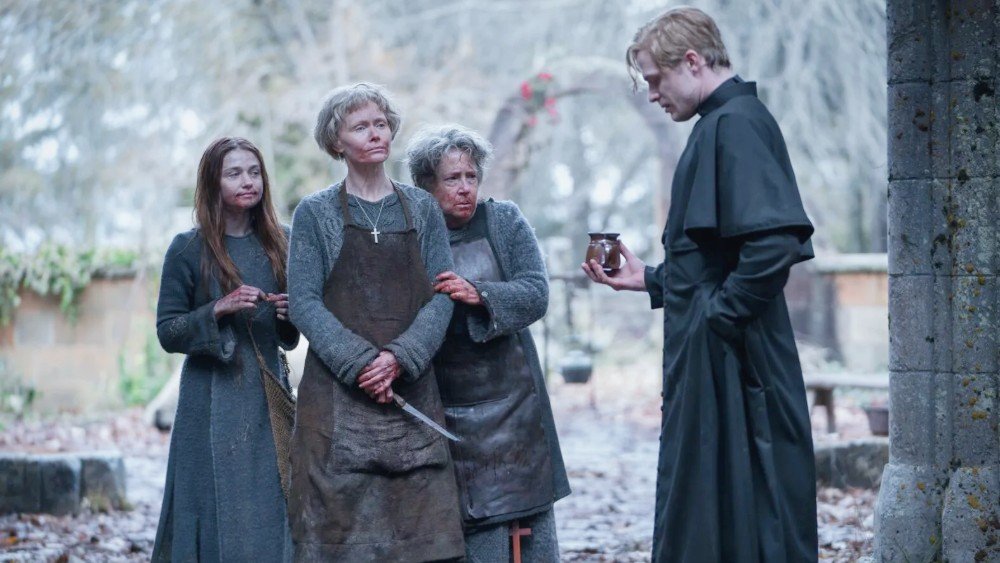
Lambs of God is a quiet, eerie, gothic drama soaked in religious symbolism and creeping dread.
Set on a remote island, the series follows three nuns living in isolation, their spiritual devotion masking deep trauma and buried secrets. When a mysterious priest arrives, the fragile balance of their cloistered world begins to unravel.
The atmosphere is thick with silence, candlelight, and moral unease, turning faith into something both comforting and terrifying.
Gothic horror here isn’t loud – it’s psychological, intimate, and deeply unsettling.
Lambs of God explores repression, power, and belief, making it one of the most haunting modern examples of religious gothic television.
Wuthering Heights, BBC Two (1978)
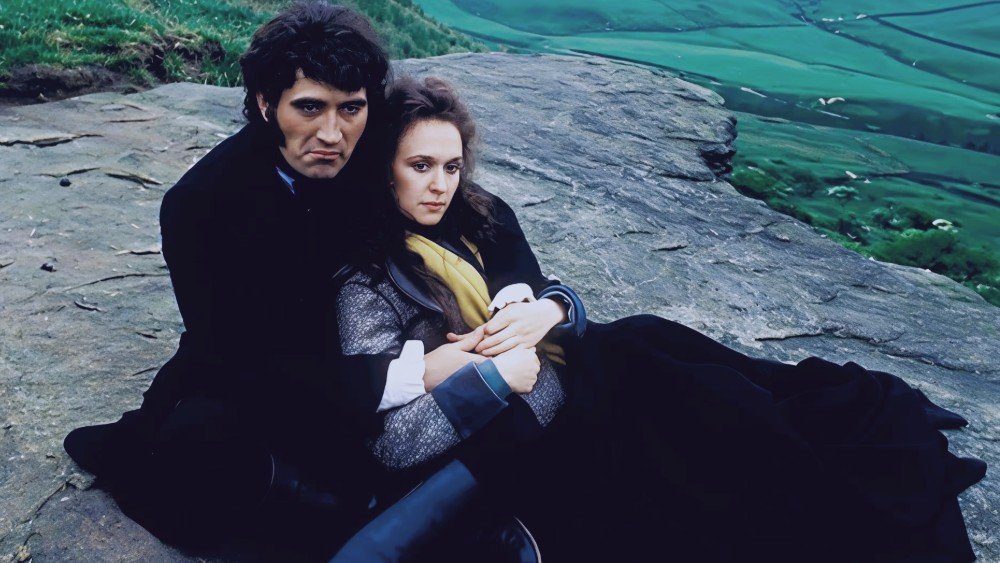
The 1978 adaptation of Wuthering Heights leans into raw, windswept gothic tragedy.
The Yorkshire moors are portrayed as harsh and unforgiving, mirroring the emotional violence at the story’s core. Heathcliff’s obsession is brutal and corrosive, while Catherine’s yearning feels doomed from the start.
This version doesn’t soften the novel’s cruelty – inheritance, revenge, and generational trauma are front and center.
The isolation of the setting amplifies the gothic themes of obsession and decay, turning love into something destructive rather than redemptive.
Stark and emotionally relentless, this adaptation captures Wuthering Heights as gothic despair incarnate.